
Starting university brings a completely new routine.
Between lectures, accommodation, part-time work, shopping, social activities and trips across the city, students often need a flexible way to travel without relying on the same timetable every day.
A bicycle can make short urban journeys more convenient, but the right setup matters. Security, visibility and carrying space are often more important than speed, particularly for students leaving a bike on campus for several hours.
Preparing for university life?
Explore our commuter cycling gear for practical locks, lights, bags and everyday city accessories.
Why Cycling Works Well for University Life
University journeys are often short but frequent.
A student may ride from halls to a morning lecture, continue to a library in the afternoon and then travel to a shop, gym or part-time job later in the day.
Cycling provides flexibility between these different locations and can make it easier to manage a changing weekly schedule.
However, university cycling is not always the same as a weekend ride. The bike may be parked in public areas for long periods, used after dark and expected to carry laptops, books, food and extra clothing.
That is why a student setup should focus on practical everyday use rather than unnecessary performance features.

How to Keep Your Bike Secure on Campus
Bike security should be one of the first things students prepare before moving into university accommodation.
Use a Strong Primary Lock
Choose a reliable lock as the main point of security rather than relying entirely on a thin cable lock.
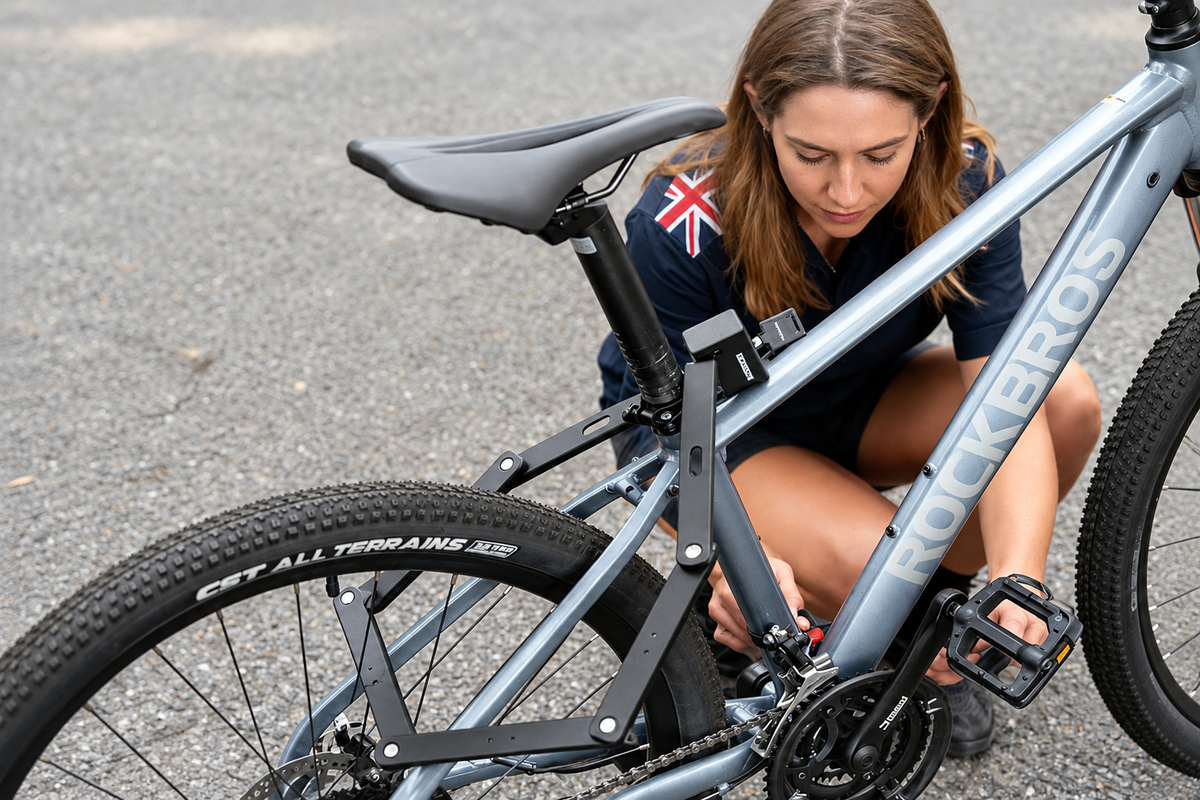
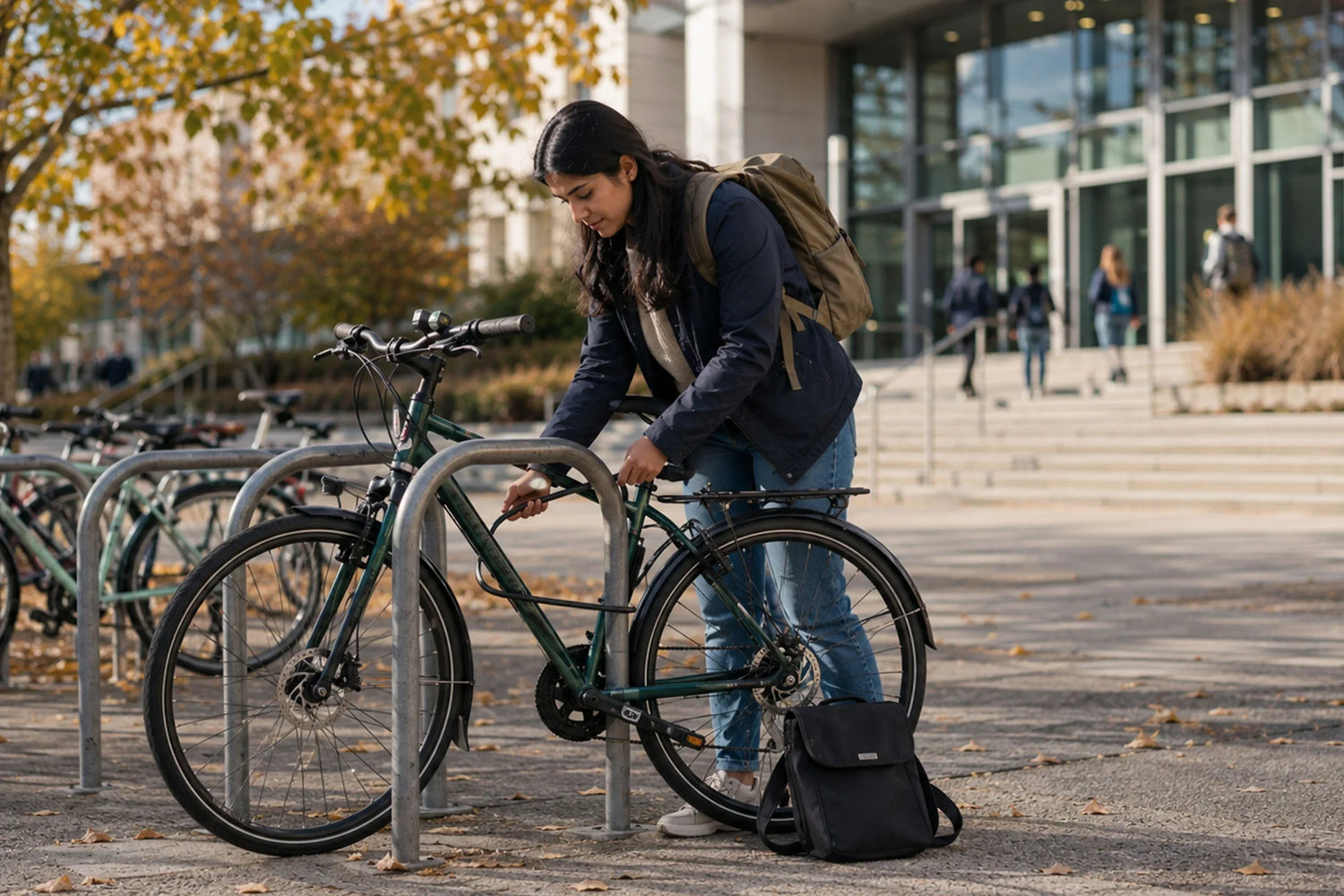
A D-lock or similarly substantial design can be used to secure the frame to a fixed stand. Before Freshers' Week, practise positioning the lock so that it is quick and easy to use.
Explore our bike locks for university, commuting and everyday security.
Secure the Frame and Wheels
Locking only a wheel can leave the rest of the bike vulnerable.
Secure the frame to a fixed cycle stand. Where the wheels are quick to remove, use an additional cable or second lock to secure them as well.
For a higher-value bike or long periods of parking, two different types of lock can provide an extra layer of security.
Choose the Parking Location Carefully
Use recognised cycle parking whenever possible.
A busy, well-lit location near university buildings is generally more suitable than an isolated rack hidden from view. Check whether halls of residence provide an indoor storage room or secure cycle area.
A communal hallway should not automatically be treated as secure simply because it is inside the building.
Record the Bike's Details
Before arriving at university, take clear photographs of the bike and record its frame number.
Keep this information somewhere separate from the bicycle. Students can also check whether their university or local police service offers bike marking or registration events during Welcome Week.
Remove Detachable Accessories
Lights, cycling computers, bags and other easy-to-remove accessories should not be left on an unattended bike.
A product that takes only a few seconds to remove is usually better taken into the lecture hall or accommodation.
Choose a Bag That Works Beyond the Lecture Hall
University students often carry more than a laptop and a notebook.
A normal day may also include a water bottle, lunch, a waterproof jacket, gym clothes, shopping and chargers.

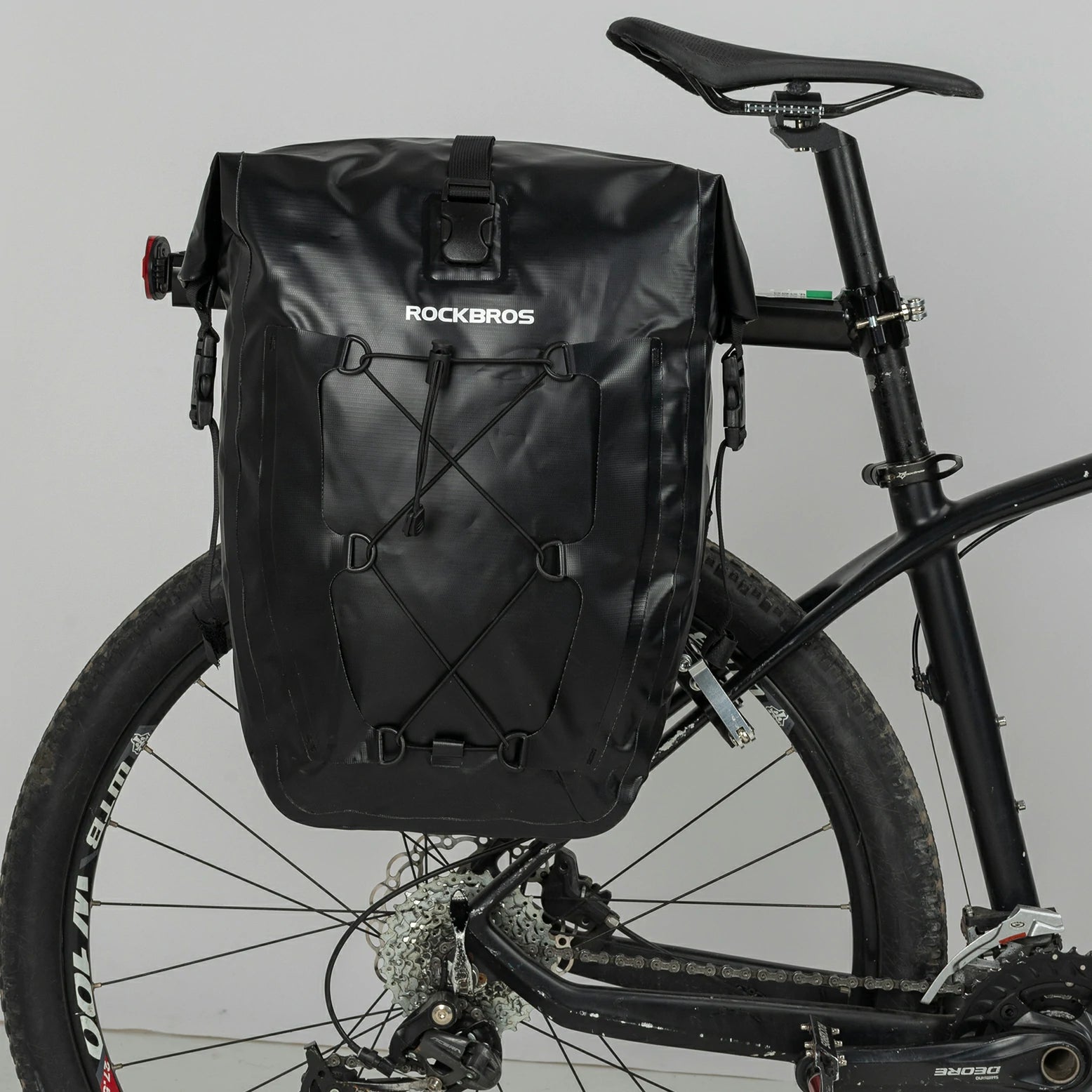
Panniers for Heavier Loads
Panniers place the weight on the bike rather than the rider's shoulders.
They can be useful for laptops, books, supermarket shopping and longer daily commutes. A removable pannier can also be carried into university buildings after the bike has been parked.
Browse our bike panniers for commuting, university and everyday city journeys.
Backpacks for Shorter Journeys
A backpack is easy to carry away from the bike and may suit students travelling light.
However, a heavy backpack can feel uncomfortable during longer rides, particularly when carrying a laptop and several books. Check the shoulder straps, back padding and available space before using it every day.
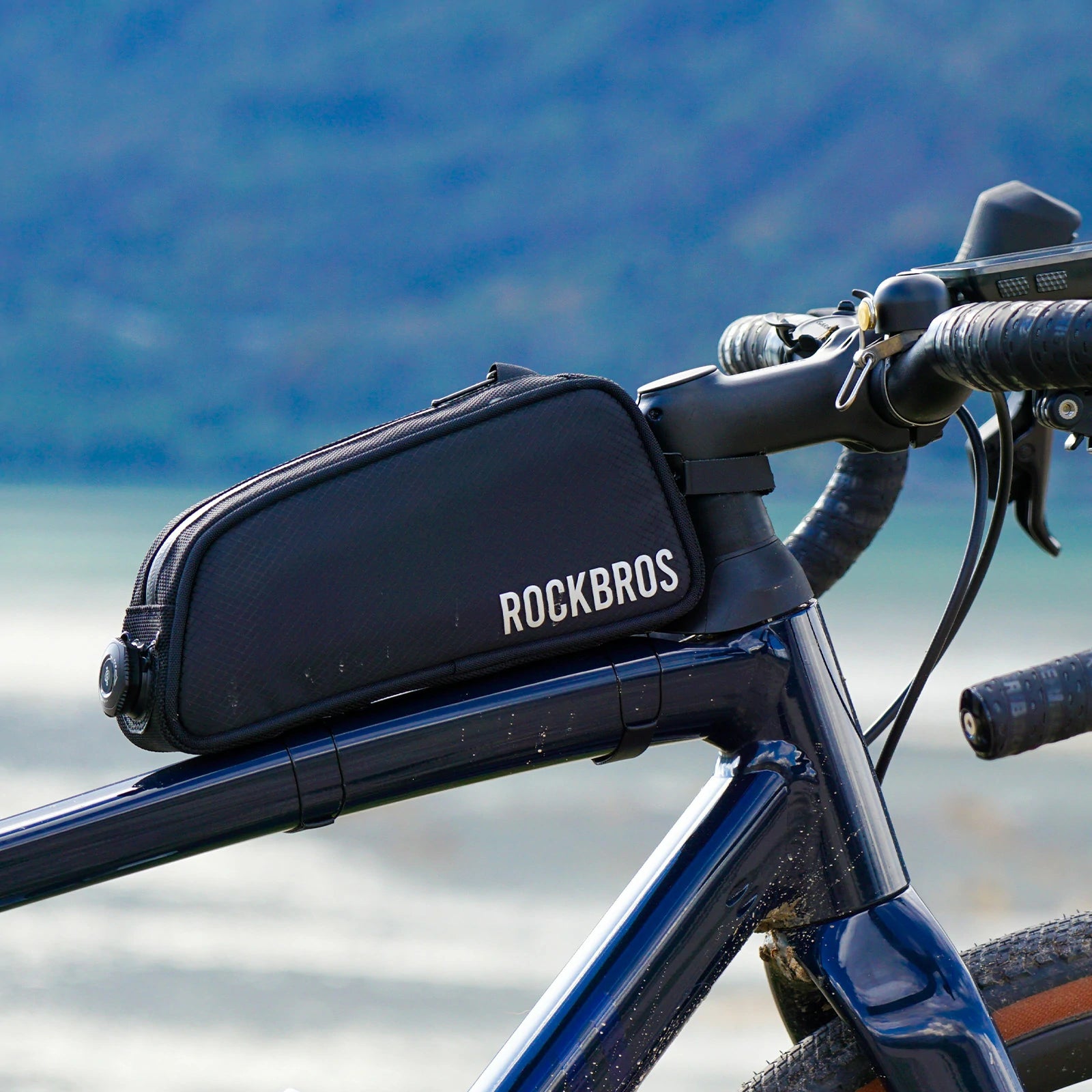
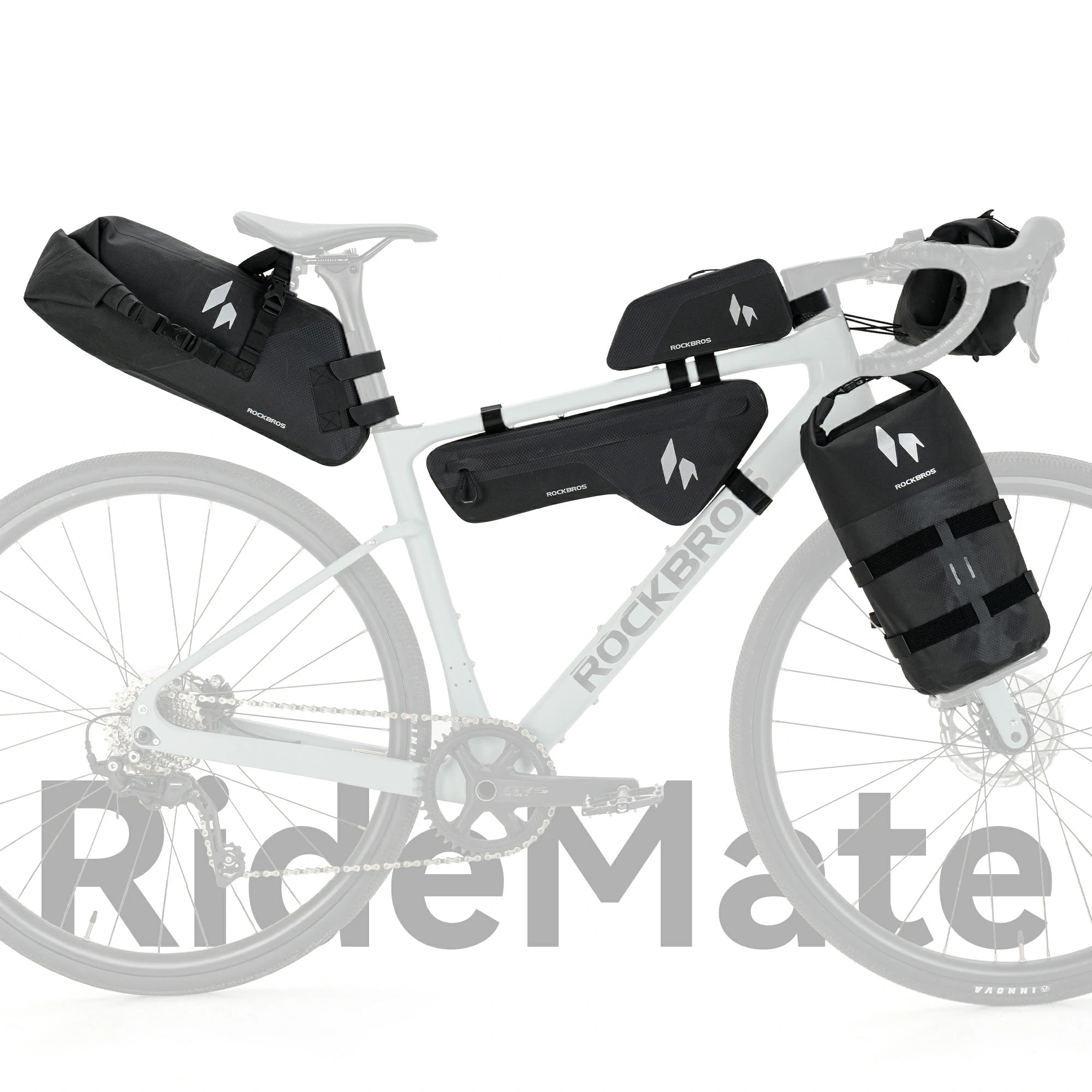
Smaller Bags for Essentials
A handlebar, frame or top tube bag can hold smaller items such as keys, a wallet, snacks, a power bank or a compact repair kit.
These bags are useful as additional storage but should not be treated as secure places for valuables when the bike is left unattended.
Weather-Resistant Storage
British autumn weather can change during the day.
Choose a bag with suitable weather protection, particularly when carrying electronics, documents or spare clothing. For extra reassurance, use an internal protective sleeve or waterproof pouch for a laptop.

Stay Visible on Early Starts and Late Returns
University life rarely follows a simple nine-to-five schedule.
Early lectures, evening study sessions, society events and part-time work may all involve riding in lower-light conditions.
Use Front and Rear Bike Lights
A front light helps the rider see the route ahead, while a rear light helps other road users notice the bike from behind.
Keep both lights charged and attach them before leaving accommodation. Do not wait until the return journey to discover that the battery is low.
Explore our bike lights for evening rides and daily urban commuting.
Add Reflective Details
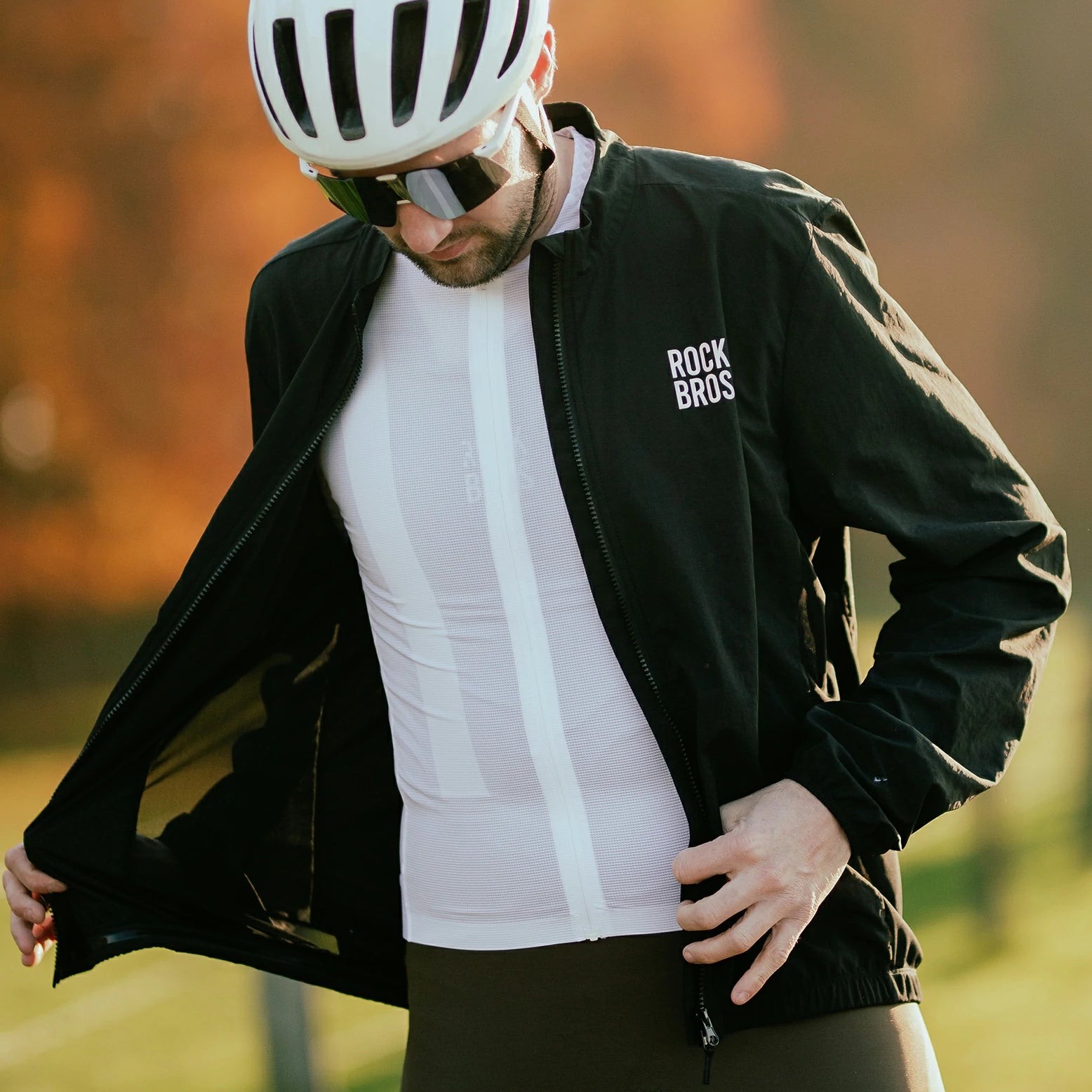
Reflective elements on clothing, bags, wheels or accessories can provide additional visibility from different directions.
This can be especially helpful at junctions and on roads with several competing light sources.
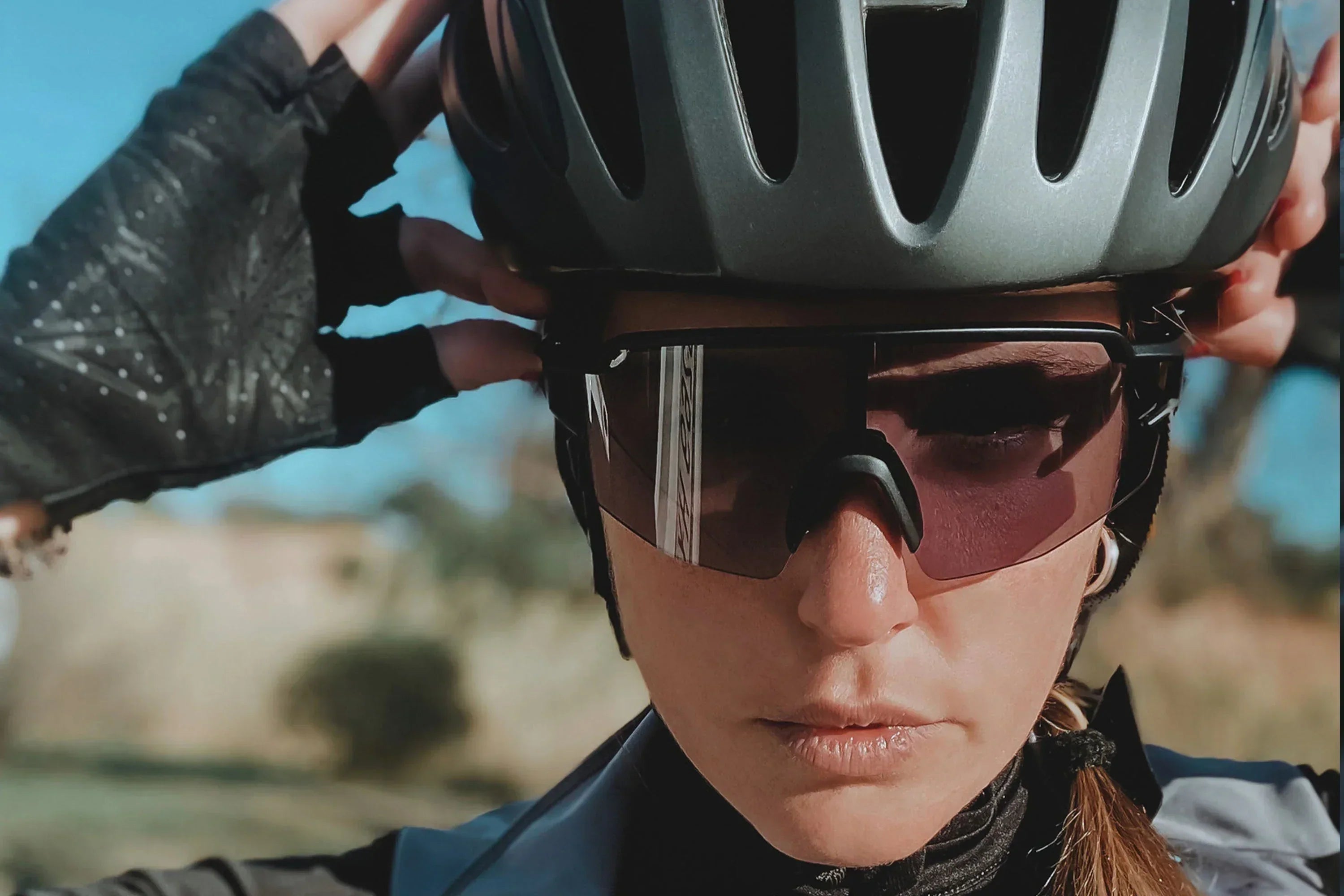
Wear a Properly Fitted Helmet
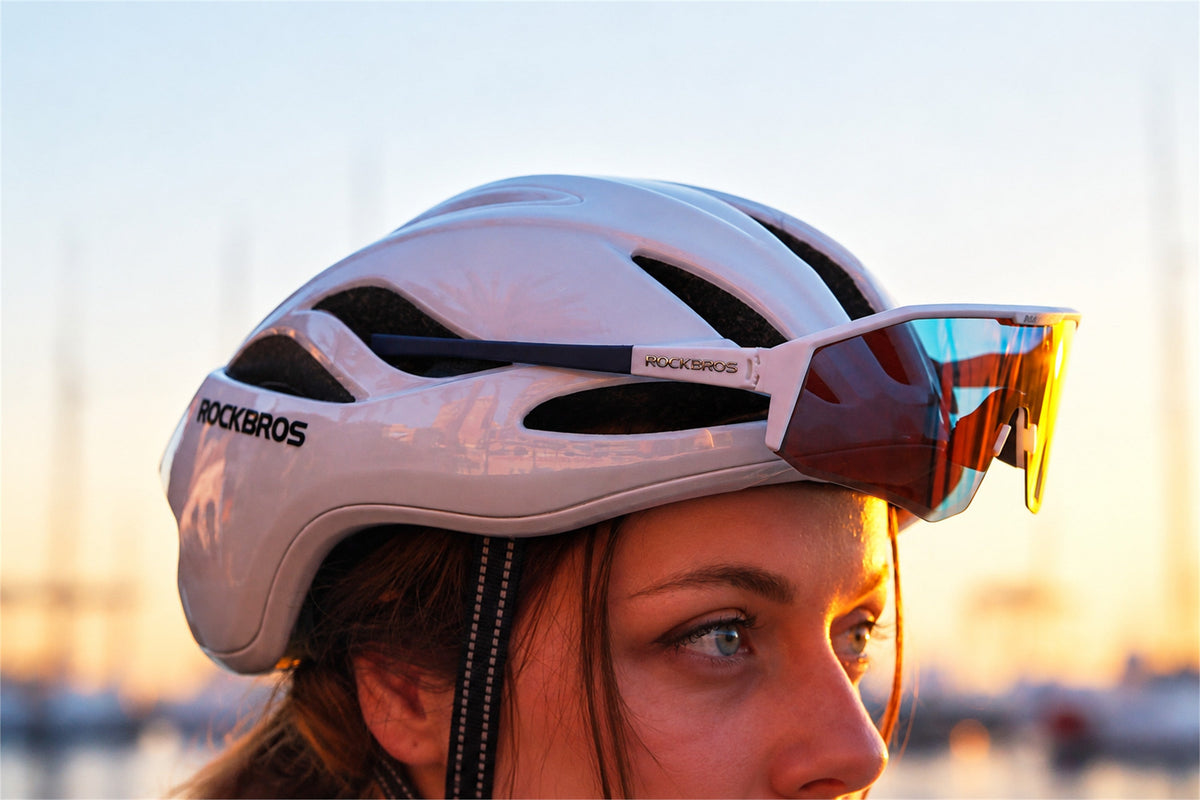
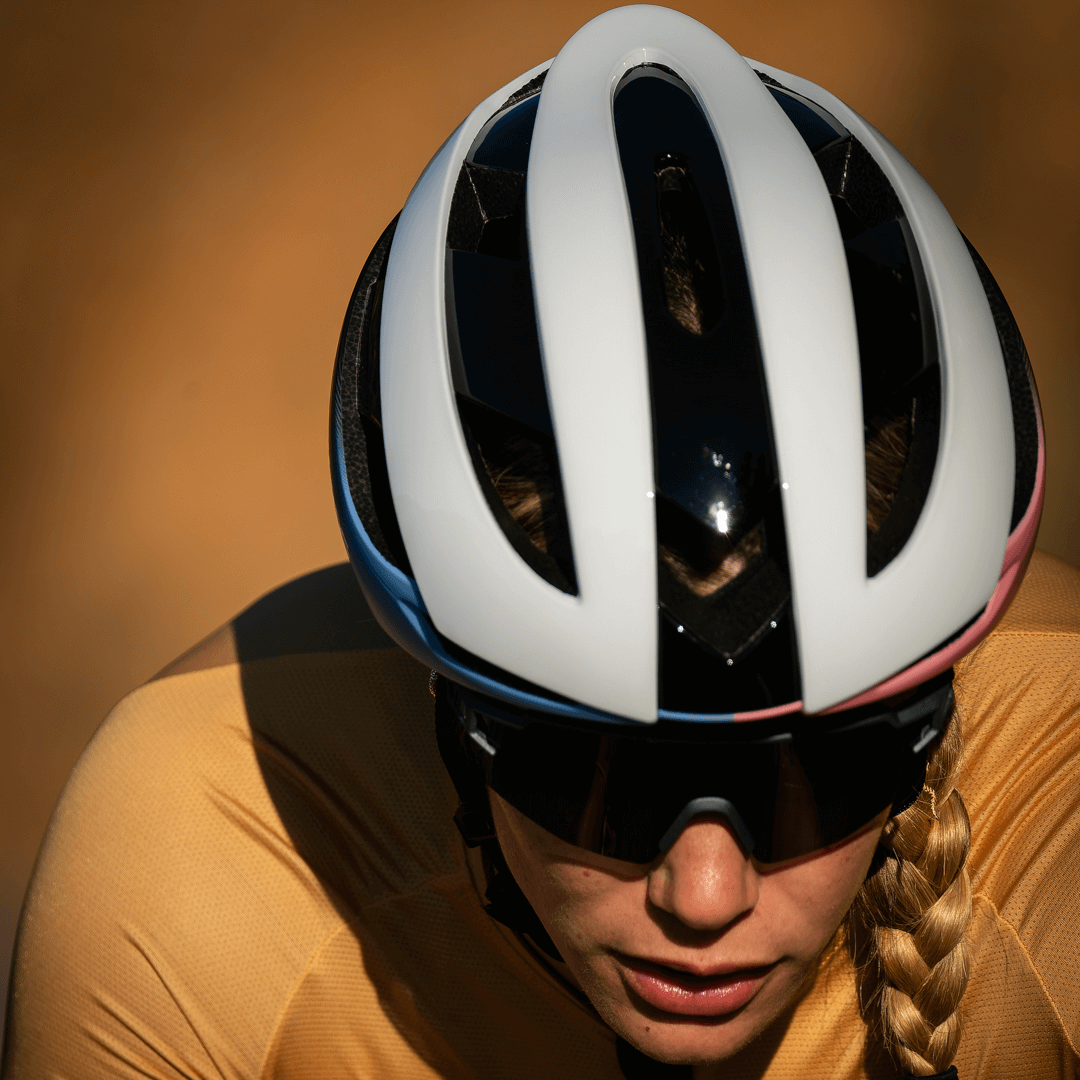
A helmet should remain stable, sit level on the head and allow the rider to see clearly.
A helmet with an integrated rear light can add another point of visibility, but it should be treated as an additional layer rather than a replacement for the bicycle's main lights.
Prepare for Poor Weather
Rain, mist and road spray can make it harder to see and be seen.
Slow down when conditions change, leave more space and make sure lights and reflective details are not covered by bags or loose clothing.
Useful Accessories for Urban Student Cycling
A few compact accessories can make everyday city cycling easier without filling a small room with equipment.
A Secure Phone Holder
A phone holder can support navigation when travelling through an unfamiliar city.
Plan the route before setting off, keep the phone firmly mounted and avoid typing or changing settings while riding. Stop somewhere safe before making adjustments.
Browse our bike phone holders for everyday navigation and commuting.
A Compact Pump
A small pump is useful for maintaining tyre pressure and dealing with a soft tyre.
Students should test it before carrying it so they understand how it attaches to the valve.
A Basic Multi-Tool
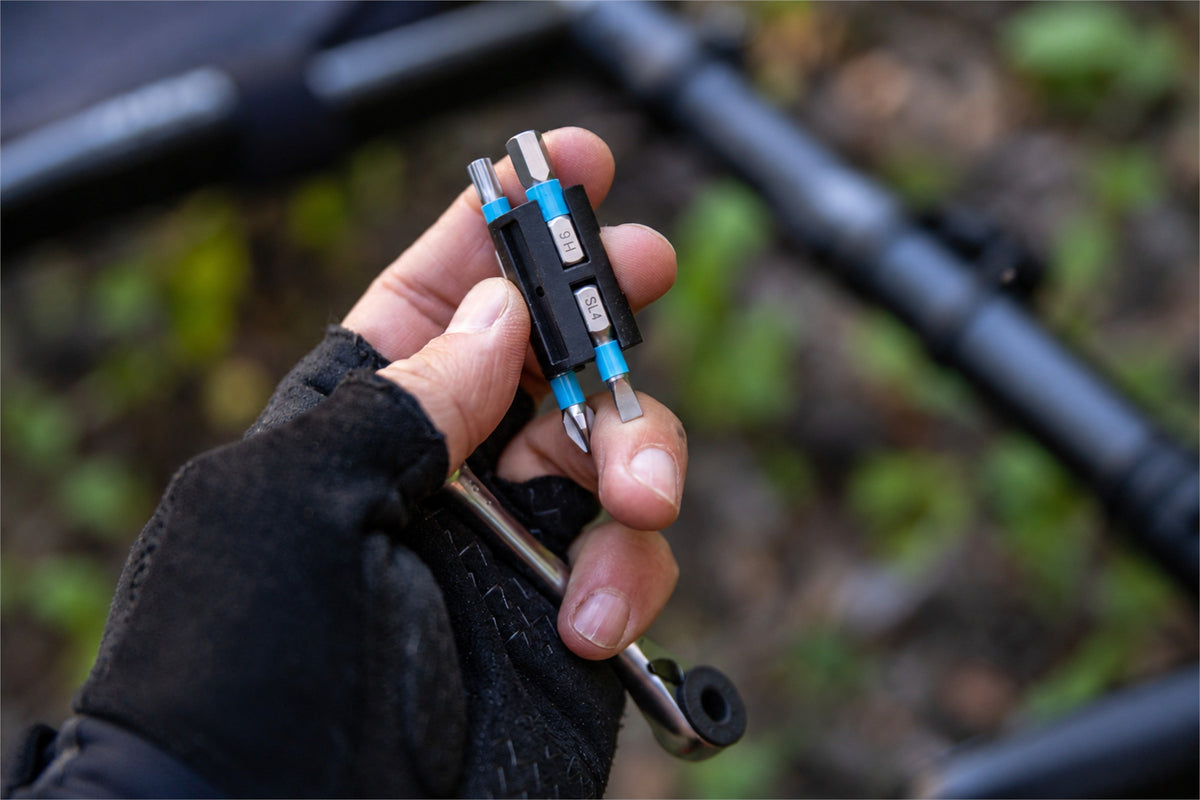
A compact multi-tool can help tighten a loose bolt, adjust the saddle or make a small roadside correction.
Choose a tool that matches the fittings on the bike rather than simply selecting the option with the greatest number of functions.
Mudguards
Mudguards are particularly useful for students cycling in everyday clothes.
They help reduce spray from wet roads and can make the bike more suitable for riding directly to lectures or work.
A Bell
A bell provides a simple way to alert pedestrians and other path users to the rider's presence.
It should be used politely and early enough to give others time to respond.
Your Freshers' Week Bike Checklist
Before the first week of lectures, complete a simple preparation checklist.
Check the Bike
Inspect the tyres, brakes, chain, gears, saddle position and handlebars.
Take the bike for a short test ride while carrying the bag or luggage that will be used during term.
Test the Lock
Make sure the lock fits around the bike frame and the type of cycle stands commonly found on campus.
Check that the key or combination is easy to use, and keep any spare key in a safe place.
Charge the Lights
Fully charge the front and rear lights and pack the correct charging cable.
Create a weekly reminder so charging becomes part of the regular routine.
Plan Important Routes
Practise the journey between accommodation and the main university buildings.
Also identify routes to the supermarket, train station, library and any regular workplace. A route that looks short on a map may include difficult junctions or steep sections.
Check Storage Rules
Find out whether bikes are allowed inside halls, where secure storage is located and how access is controlled.
Do not wait until arrival day to discover that the bike cannot be stored in the bedroom or corridor.
Save Important Information
Keep photographs, the frame number, purchase details and any registration information in one digital folder.
This takes only a few minutes and can be useful if the bike is lost or stolen.
Final Thoughts: Keep Your Setup Practical
University cycling does not require an expensive bike or a large collection of accessories.
The most useful setup usually begins with four priorities: a bike that works properly, a strong lock, reliable lights and a practical way to carry everyday items.
Add a pump, basic tool and navigation support where they genuinely improve the journey.
By preparing before Freshers' Week, students can spend less time solving transport problems and more time settling into their new city, campus and routine.
Frequently Asked Questions
What cycling equipment does a university student need first?
Begin with a roadworthy bike, a reliable lock, front and rear lights and a suitable bag. A helmet, compact pump and basic multi-tool are also useful for regular journeys.
What type of bike lock is best for university?
A strong D-lock or similarly substantial primary lock is a practical starting point. Secure the frame to a fixed stand and consider a second lock for the wheels or higher-risk parking situations.
Is a pannier better than a backpack for students?
A pannier is often more comfortable for heavy books, laptops and shopping because the bike carries the weight. A backpack may be more convenient for lighter loads and short journeys.
Should bike lights be removed when the bike is parked?
Yes, where the lights are designed to detach easily. Take them into lectures or accommodation rather than leaving them on an unattended bike.
Can a student leave a laptop inside a bike bag?
Valuable items should not be left on the bicycle when it is unattended. Remove the complete bag or take the laptop with you.
Is a phone holder useful for university cycling?
It can be useful for navigation in an unfamiliar city. Set the route before riding and stop safely before touching or adjusting the phone.
Does a student need a full repair kit?
Not necessarily. A compact pump, tyre repair supplies and a basic multi-tool may be enough for everyday problems. More complicated repairs can be handled by a local bike shop or university maintenance service.