
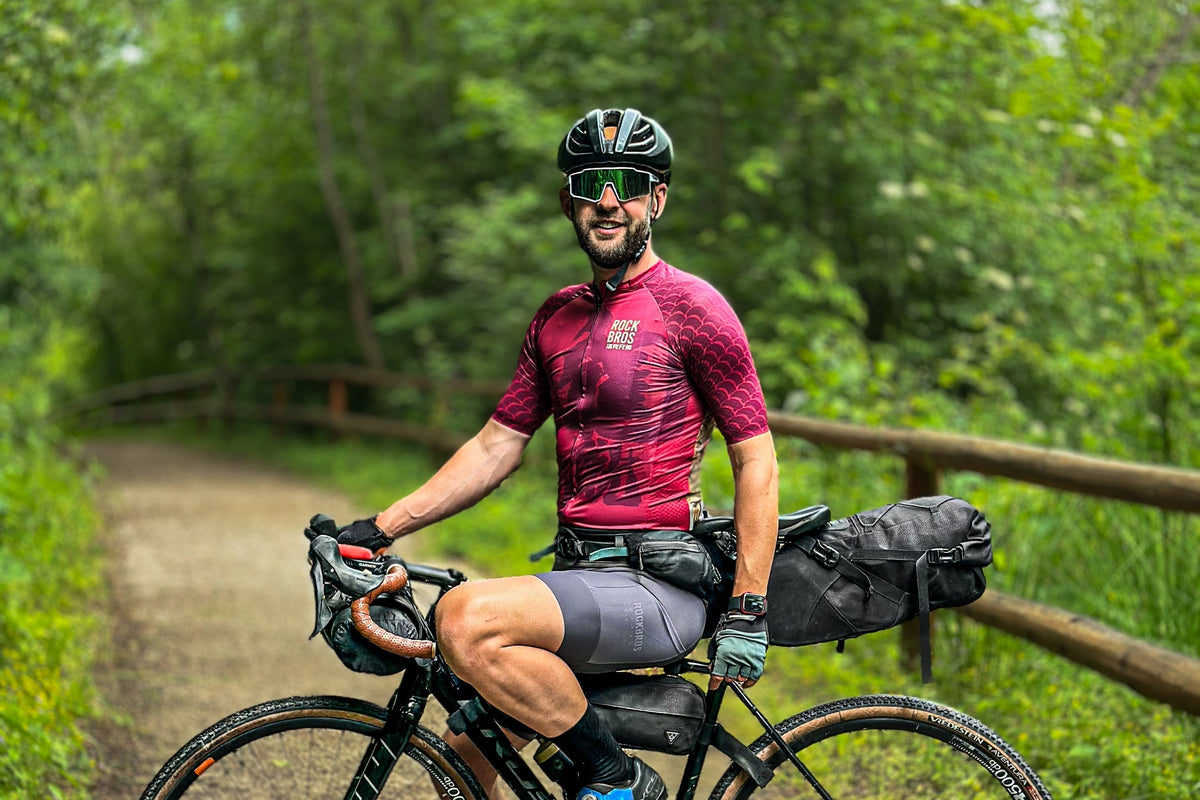
A good bike saddle bag should carry what you need without getting in the way of pedalling, handling or quick access. The best choice for commuting is not always the best choice for bikepacking, so start with your load, riding conditions and attachment points before comparing capacity.
Quick Answer
Choose a saddle bag by first listing the items you actually carry, then match the capacity to your riding use. Check that the straps or mounting system suit your saddle and seatpost, leave enough clearance for your legs and rear wheel, and choose water protection that fits the weather you ride in. For daily commuting, access and stability are often more useful than maximum volume.
In This Guide
- Start with what you need to carry
- Choose by riding use case
- Check attachment and clearance
- Decide how much weather protection you need
- Think about access and capacity
- Understand common sizes
- Frequently asked questions
Start With What You Need to Carry
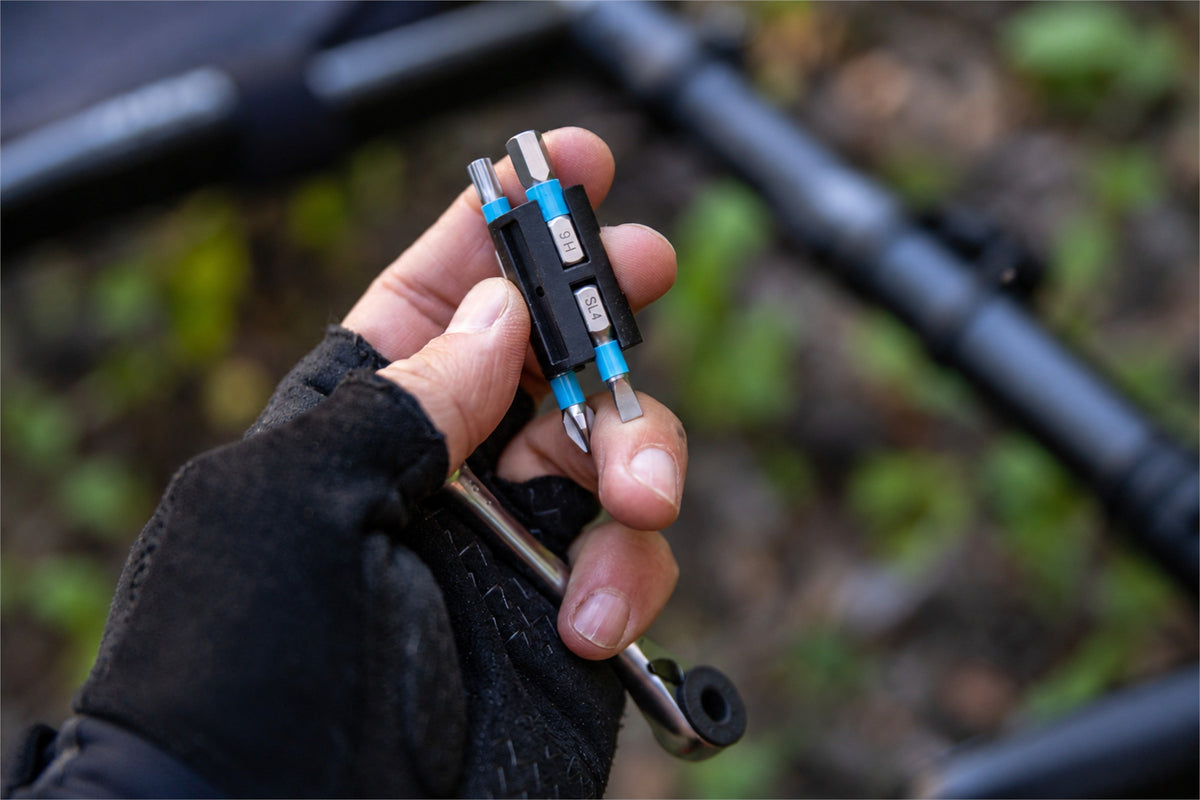
Make a short packing list before choosing a bag. A commuter might need a spare tube, tyre levers, a multi-tool, lights, keys and a small layer. A longer ride may add food, gloves, a power bank and extra repair supplies. If your list fits comfortably in a small bag, there is little benefit in carrying a large one that can flap or sway when only partly filled.
Keep tools and other dense items close to the bottom of the bag, and protect anything that could scratch the saddle or rub against the fabric. If you carry a phone or camera, use an inner pouch so it does not move against metal tools.
Choose by Riding Use Case
Daily commuting
For a daily commute, prioritise stable attachment, easy access and protection from showers. A compact saddle bag is useful when you want repair essentials on every ride without adding a rack or wearing a backpack. Reflective details can be helpful in low light, but they should work alongside proper bike lights.
Weekend rides
Weekend rides may need space for snacks, a spare layer and a larger repair kit. Look for a shape that stays close to the saddle and does not interfere when you stand on the pedals. A wide opening or a reliable zip can save time when you stop beside the road.
Bikepacking
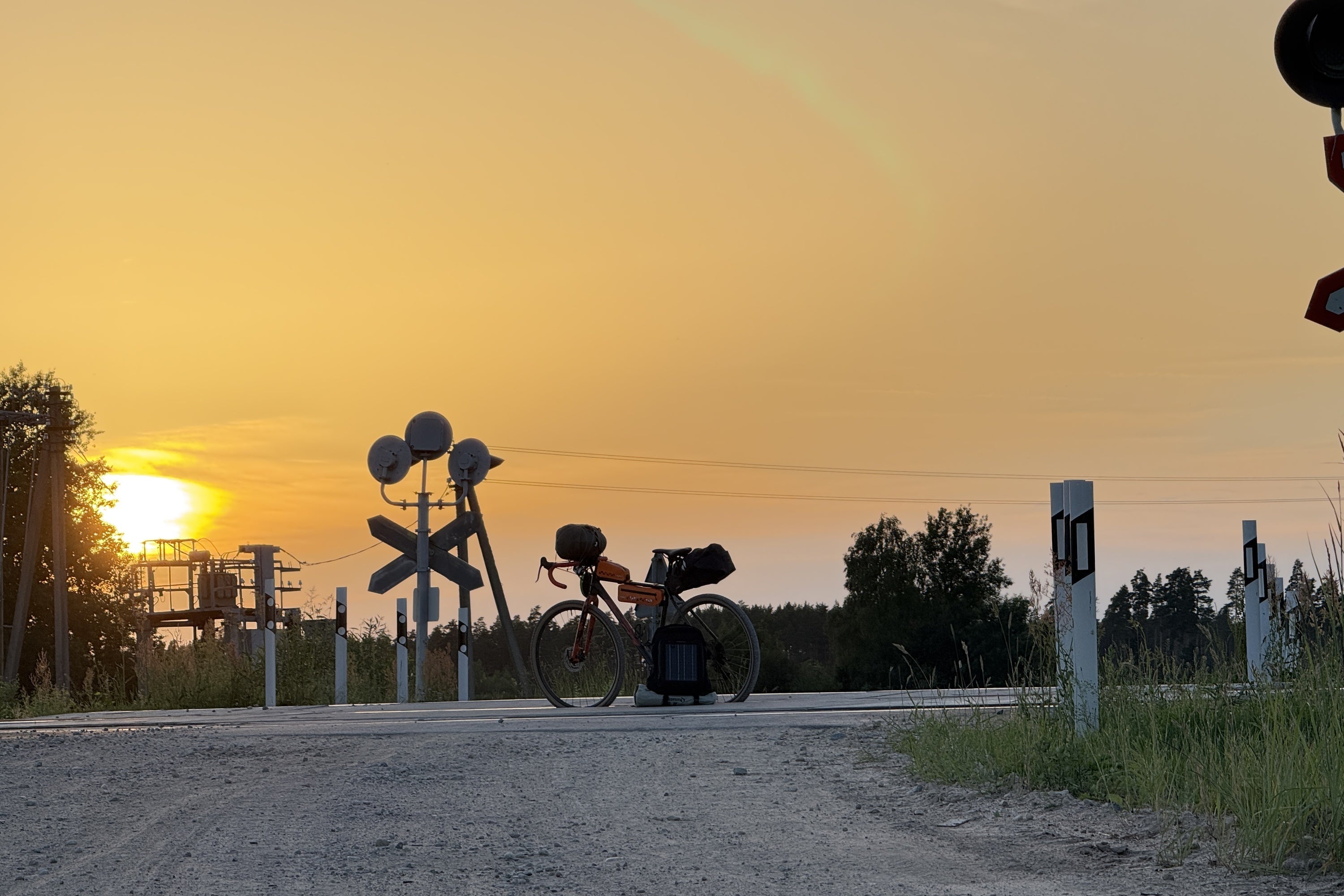
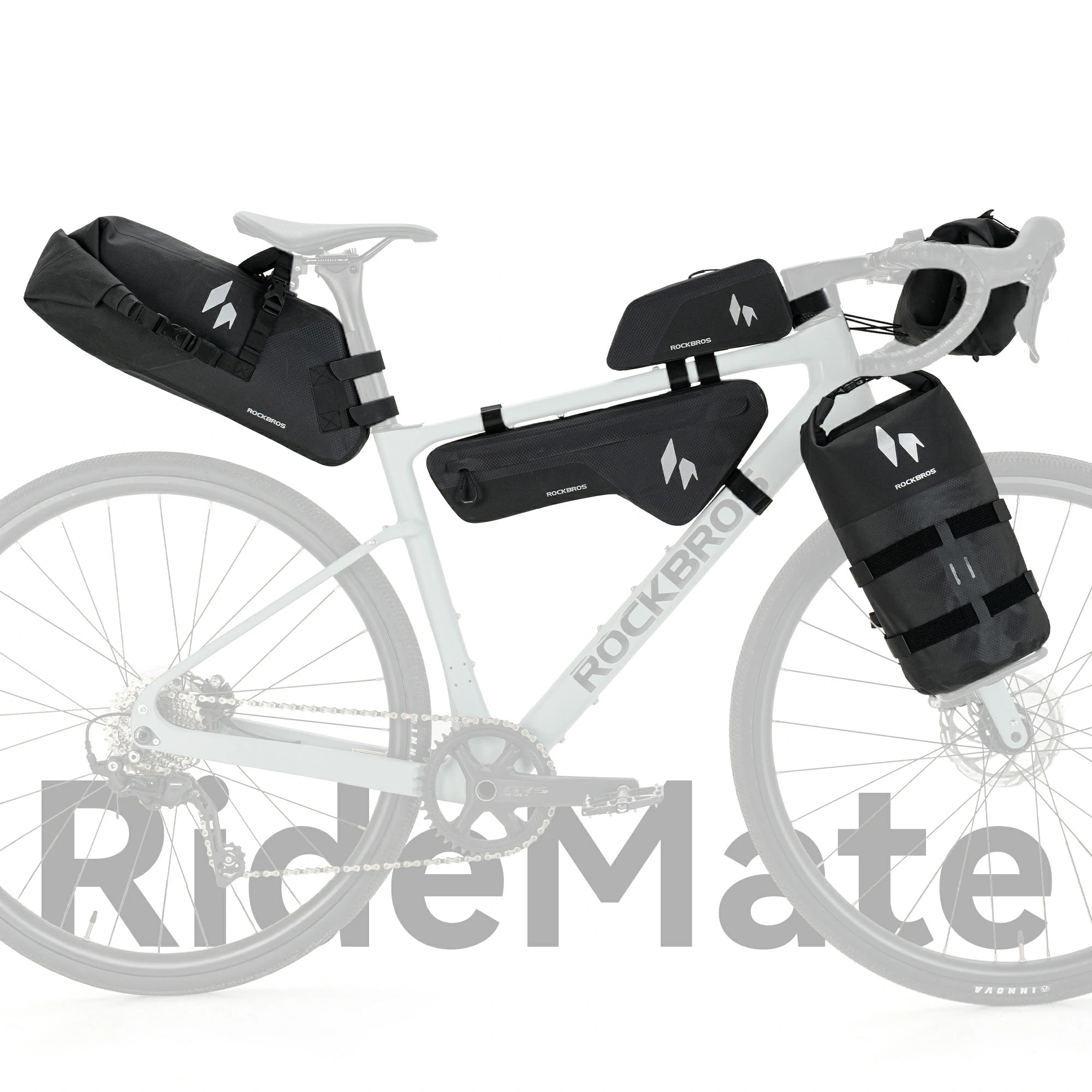
Bikepacking loads are larger and the bag may be exposed to vibration, mud and repeated weather. Choose a more supportive mounting system, pack soft items around hard objects and test the setup on a short ride before a multi-day trip. You can compare complementary carrying options in the ROCKBROS bikepacking collection.

Check Attachment and Clearance
Before buying, check how the bag attaches. Some use hook-and-loop straps around the saddle rails and seatpost, while others use a dedicated bracket. Measure the available seatpost space and inspect whether a rear light, mudguard or dropper-post movement will affect the fit.
After fitting, confirm that the bag does not touch the tyre when the suspension moves or when the bike is loaded. Check that it does not rub your thighs and that the straps are tucked away from the wheel. A saddle bag should stay centred, with no side-to-side swing when you gently move the saddle.
Decide How Much Weather Protection You Need
For light showers, water-resistant fabric and a covered zip may be enough. For sustained rain or muddy off-road riding, look for a waterproof construction, sealed closure or a fitted cover. The bag's shape and closure are as important as the fabric because water can enter through an opening even when the material itself is highly resistant.
Keep electronics and important documents in a small waterproof pouch inside the saddle bag. This gives you a second layer of protection and makes it easier to move those items between bags.
Think About Access and Capacity
A bag that is slightly smaller but easy to open can be better for commuting than a larger bag with a narrow opening. Think about whether you need to reach your repair kit during a roadside stop. A wide zip, roll-top opening or external pocket can make the difference when your hands are cold or wet.
Do not judge capacity by empty volume alone. A bag packed too tightly may strain the zip or alter the shape around your legs. A bag packed too loosely may move more on rough roads. Use a soft jacket or spare tube to fill unused space and keep the contents compact.
Understand Common Sizes
| Typical use | What it may carry | What to prioritise |
|---|---|---|
| Small | Tube, levers, multi-tool, keys and a few small essentials. | Low weight, compact fit and quick access. |
| Medium | Repair kit, snacks, phone, lights or a light layer. | Stable attachment and organised internal space. |
| Large | Extra clothing, larger repair supplies or bikepacking equipment. | Support, clearance and compression when fully loaded. |
Capacity labels vary between brands, so compare the measurements and opening shape as well as the stated volume. If you are unsure, choose the smallest size that holds your normal load without forcing the closure.
Frequently Asked Questions
What should I keep in a bike saddle bag?
Most riders start with a spare tube, tyre levers, a pump or inflator, a multi-tool, emergency cash and a small light or battery. Add items based on your route and the repairs you can handle yourself.
Do saddle bags fit every bike?
Many saddle bags fit standard saddle rails and seatposts, but space can be limited by a dropper post, mudguard, rear light or unusual saddle shape. Check the attachment method and measurements before fitting.
Can a saddle bag be waterproof?
Yes, some are built with waterproof materials and closures. For heavy rain, confirm how the opening seals and use an inner dry pouch for electronics.
How do I stop a saddle bag moving?
Use every supplied strap or bracket, keep the load compact and tighten the attachment after packing. Remove loose strap ends from the wheel area and test the bag over bumps before a longer ride.
Is a saddle bag better than a backpack for commuting?
For a small repair kit and personal essentials, a saddle bag keeps weight off your shoulders. A backpack is more practical when you carry clothing, a laptop or items you need to take with you after parking.
Choose the Bag You Will Use
The right saddle bag is the one that fits your actual load, stays secure on your bike and gives enough weather protection for your route. Compare the ROCKBROS saddle bag collection by capacity, attachment, access and visibility, then test the packed bag before relying on it for a longer ride.