
A Clear, Practical Overview for Everyday Riders
Types of Bicycle Pumps Explained
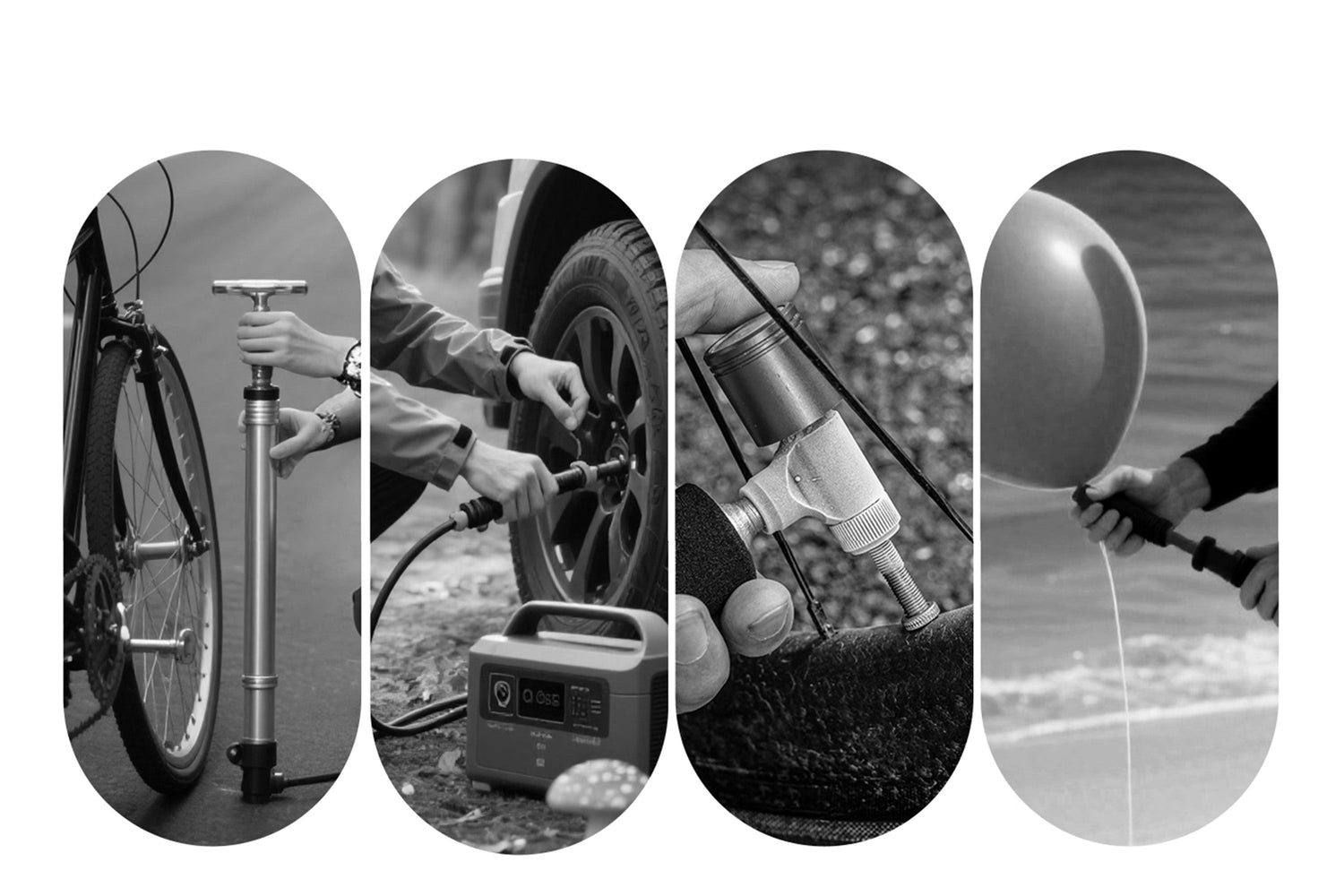
There are several different types of bicycle pumps available, each designed for a specific purpose. Understanding how these pumps differ can help riders choose the right tool for their riding style, rather than relying on a single solution for every situation.
Key Takeaways (Quick Overview)
- There are four main types of bicycle pumps in common use
- Each pump type prioritises different features such as pressure, speed, or portability
- No single pump is ideal for every riding scenario
- Many riders benefit from owning more than one type of pump
- Floor Pumps
- Mini and Portable Pumps
- CO₂ Inflators
- Electric Bicycle Pumps
- Which Type Is Right for You?
Floor Pumps
Floor pumps, also known as track pumps, are designed for home or workshop use. They typically feature a large barrel, a stable base, and an integrated pressure gauge.
These pumps are capable of reaching higher pressures with minimal effort, making them particularly suitable for road bikes and frequent maintenance. The main limitation of floor pumps is their size, which makes them impractical to carry while riding.
Best suited for: Home use, road bikes, regular tyre maintenance
Mini and Portable Pumps
Mini pumps are compact, lightweight pumps designed to be carried on the bike or in a bag. They prioritise portability over speed and efficiency.
While mini pumps can inflate tyres sufficiently to continue a ride, they generally require more effort and time, especially at higher pressures. For this reason, they are often considered an emergency solution rather than a primary pump.
Best suited for: Long-distance rides, touring, on-road emergencies
CO₂ Inflators
CO₂ inflators use compressed gas cartridges to inflate tyres almost instantly. They are valued for their speed and minimal physical effort.
However, CO₂ cartridges are single-use and provide limited control over final pressure. This makes them ideal for race situations, but less practical for everyday riding or home use.
Best suited for: Races, events, time-sensitive situations
Electric Bicycle Pumps
Electric bicycle pumps use battery-powered motors to inflate tyres automatically. Many models include digital pressure displays and automatic shut-off features.
These pumps reduce physical effort and offer consistent pressure control, but are typically heavier and more expensive than manual options. Battery capacity and charging time are important considerations.
Best suited for: Commuting, beginners, riders who value convenience
Which Type Is Right for You?
Bicycle Pump Types Comparison
| Pump Type | Typical Pressure Range | Portability | Ease of Use | Best Use Case |
|---|---|---|---|---|
| Floor Pump | Up to 160 PSI | Low | Very Easy | Home maintenance, road bikes |
| Mini / Portable Pump | Up to 120 PSI | High | Moderate | Long rides, emergency repairs |
| CO₂ Inflator | Cartridge-limited | Very High | Easy (Low Control) | Races, time-critical situations |
| Electric Pump | 70–120 PSI | Medium | Very Easy | Commuting, beginners, convenience |
This comparison highlights why no single pump type fits every rider. Understanding these differences makes it easier to choose the right tool for each riding scenario.
The right type of bicycle pump depends largely on how and where you ride. Commuters may prioritise reliability and ease of use, while performance-focused riders often value precise pressure control.
Rather than relying on a single pump for every situation, many cyclists find that combining a home pump with a portable solution offers the best balance.
Understanding the different types of bicycle pumps helps riders make more informed choices and avoid unnecessary compromises.
If you are deciding which pump to buy after understanding the different types, you may find this guide helpful: