
A Practical, No-Hype Guide for Parents
Key Takeaways (Quick Overview)
- Balance bikes help children develop balance before pedalling
- Correct sizing matters more than age recommendations
- Two-wheel balance bikes and tricycles serve different purposes
- Lightweight frames improve confidence and control
- Safety and adjustability are more important than design
- What a Balance Bike Is and Why It Matters
- Sizing, Age, and Proper Fit
- Balance Bikes vs Tricycles
- Materials, Weight, and Safety
- Choosing Based on Your Child’s Stage
What a Balance Bike Is and Why It Matters
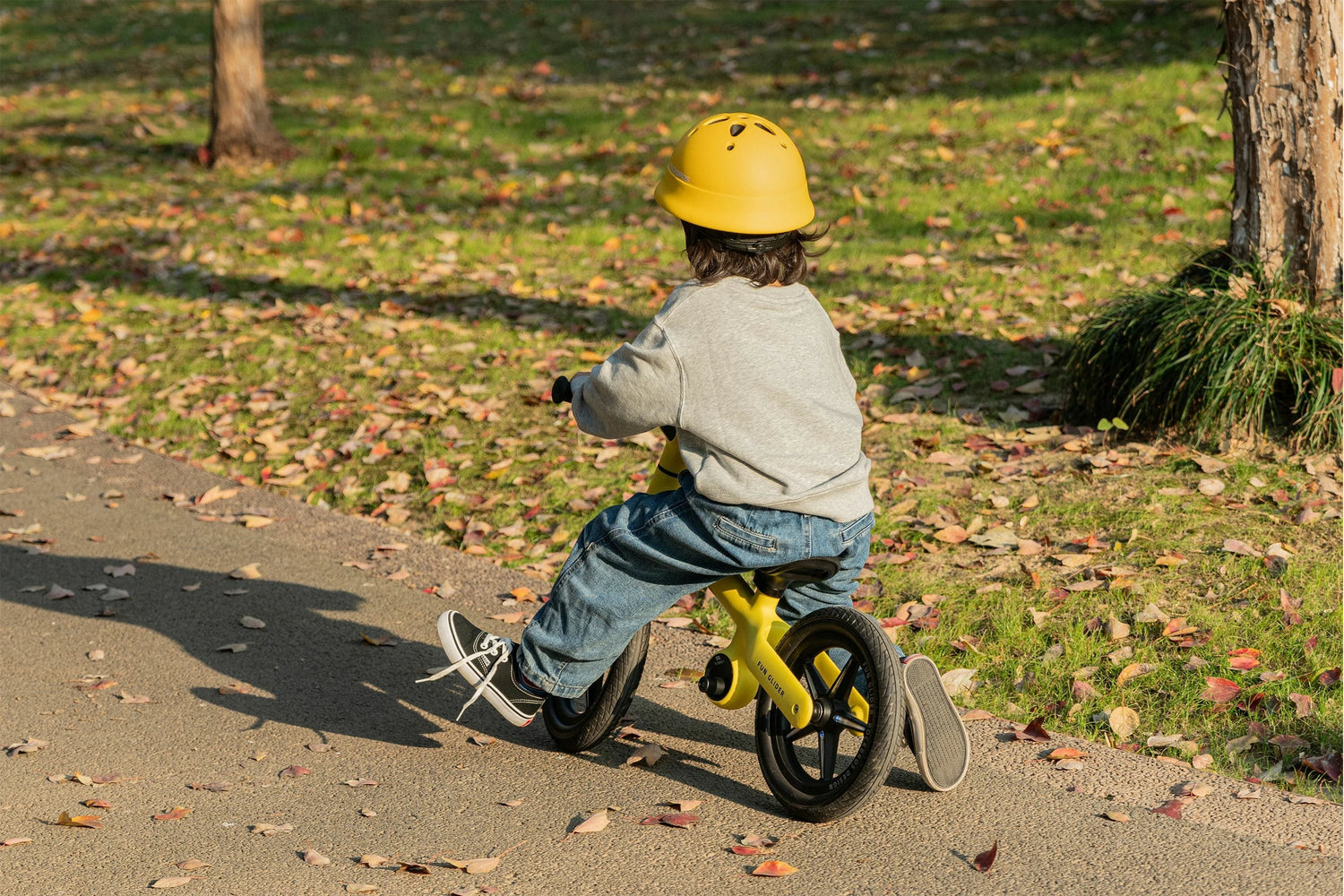
A balance bike is designed to help children learn balance and steering before introducing pedals. Instead of focusing on propulsion, it encourages natural coordination and confidence.
This approach often makes the transition to a pedal bike smoother, as children already understand how to balance and control direction.

Sizing, Age, and Proper Fit
Age recommendations are useful as a starting point, but they should not be the deciding factor. What matters more is whether your child can sit on the saddle with both feet flat on the ground.
A properly fitted balance bike allows children to push, glide, and stop confidently without assistance. Adjustable seat height extends usability as your child grows.
Balance Bikes vs Tricycles
Balance bikes and tricycles are often compared, but they serve different purposes.
Two-wheel balance bikes focus on balance and coordination, closely matching the skills needed for cycling. Tricycles prioritise stability and are often better suited for very early riding or supervised play.
The choice depends on whether the goal is skill development or simple ride-on enjoyment.
Materials, Weight, and Safety
A lightweight frame makes a noticeable difference for young riders. Heavier bikes can reduce control and confidence, especially when children are learning to steer and stop.
Looking for a practical balance bike example? Check out the FGD P2 12″ Kids Balance Bike , a lightweight and easy-to-handle option designed to help young riders gain confidence and balance.

Key safety considerations include rounded edges, secure handlebars, and reliable steering limits. Durable materials and solid construction contribute to long-term usability.
Choosing Based on Your Child’s Stage
For younger children or first-time riders, stability and ease of use are often the priority. As confidence grows, balance-focused designs help develop essential riding skills.
Rather than choosing a single solution for all stages, selecting a bike that matches your child’s current development leads to a better experience.
Understanding how design, size, and purpose interact allows parents to make more informed decisions. A well-chosen balance bike or tricycle should support confidence, safety, and enjoyment at every stage.