
A Practical, No-Hype Guide for Everyday Riders
Key Takeaways (Quick Overview)
• Valve compatibility matters more than pump power
• Different riding scenarios require different pump types
• Pressure accuracy is critical, especially for road and gravel bikes
• Material choice affects durability and ease of use
• A well-chosen pump lasts for years
- Valve compatibility matters more than pump power
- Different riding scenarios require different pump types
- Pressure accuracy is critical, especially for road and gravel bikes
- Different pumps suit different riding scenarios
Valve Compatibility: Presta vs Schrader
Valve compatibility is often underestimated, yet it is the most common reason riders believe a pump doesn’t work.
Presta valves are typically found on road and gravel bikes, while Schrader valves are more common on mountain and commuter bikes.
From a design perspective, reliable pumps prioritise clear valve identification and secure sealing rather than raw pumping power.
Types of Bicycle Pumps and When to Use Them
Rather than ranking pumps as good or bad, it is more useful to evaluate them by use case.
Floor pumps prioritise efficiency and pressure accuracy.
Mini pumps focus on portability.
CO₂ inflators are designed for speed.
Electric pumps reduce physical effort and improve consistency.
| Type | Pros | Cons | Best For |
|---|---|---|---|
| Floor Pump | Fast, stable, high pressure | Not portable | Home use / Road bikes |
| Mini / Portable Pump | Lightweight, compact | Requires more effort | Long-distance riding |
| CO₂ Inflator | Ultra-fast inflation | Single-use cartridges | Races / Emergency use |
| Electric Pump | Effortless, accurate | Heavier, higher cost | Beginners / Commuting |
Pressure Range and Gauge Accuracy
Maximum pressure numbers are often highlighted, but usable control is more important.
Road bikes typically require 80–120 PSI.
Gravel bikes sit between 30–70 PSI.
Mountain bikes often run below 65 PSI.
Accurate gauges and stable readings matter more than peak ratings.
Choosing the Right Pump for Your Riding Scenario
Daily commuting prioritises reliability.
Long-distance riding values redundancy.
Race days demand speed.
Home workshops focus on comfort and efficiency.
Choosing based on riding context leads to fewer compromises.
Materials, Construction, and Long-Term Durability
Aluminium barrels balance weight and durability.
Steel offers stability at the cost of weight.
Plastic components reduce cost but limit lifespan.
Flexible hoses help protect valves and improve ease of use.
Portability vs Efficiency
Every pump design involves compromise.
Home pumps maximise efficiency.
Portable pumps prioritise size and weight.
Most riders benefit from having one of each.
Common Inflation Problems and How to Fix Them
Many inflation issues are not caused by faulty pumps, but by mismatched use cases or incorrect setup.
Air leaks during pumping are often related to poor valve engagement or excessive stress on the valve stem.
Slow inflation usually indicates that the pump is being pushed beyond its intended pressure range.
Inconsistent pressure readings are commonly caused by rapid pumping or low-resolution gauges at lower pressures.
Understanding these issues helps riders choose tools that better match how and where they ride.
From a design perspective, these common problems highlight why a single pump design cannot suit every rider.
Different pressures, tyre volumes, and usage frequencies place very different demands on pumping systems.
This is why our electric pump range focuses on solving specific problems rather than offering a one-size-fits-all solution.
Our Pump Range: Three Practical Electric Pump Examples
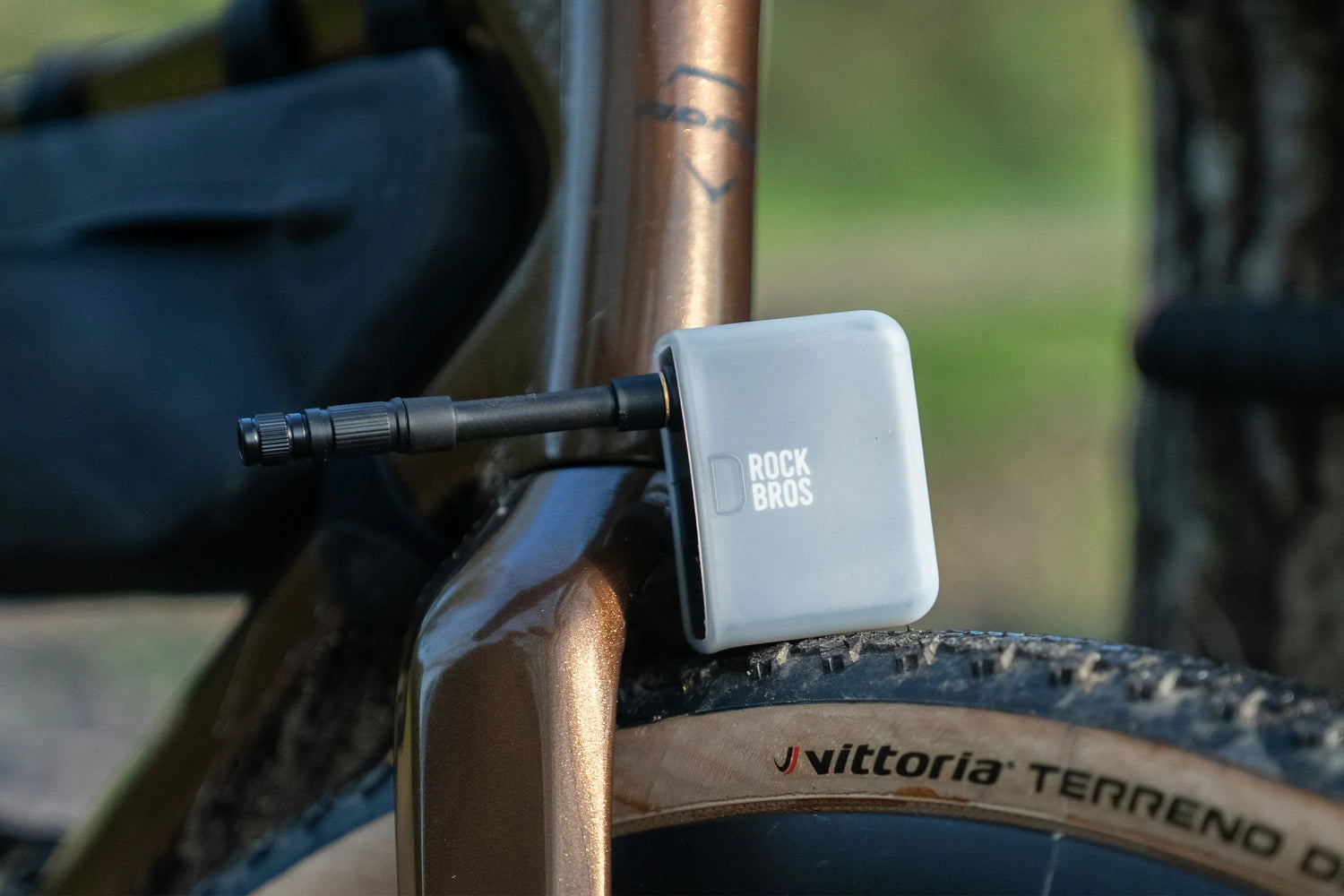
Below are three representative electric pumps from our range.
Each model is designed around a specific riding scenario, balancing pressure capability, portability, and ease of use in different ways.
Technical Comparison of Three Electric Pumps
| Specification | AS1 Pro | AS240 Pro | L1 |
|---|---|---|---|
| Products |  |
 |
 |
| Charging Time | 30 min | 30 min | 3 h |
| Maximum Pressure (PSI) | 120 | 120 | 70 |
| Inflation Time (700×25C Road Tyre) | 0–120 PSI: 2 min | 0–120 PSI: 2 min 50 s | Not supported |
| Inflations per Charge (700×25C Road Tyre) | 120 PSI × 2 | 120 PSI × 2 | Not supported |
| Inflation Time (27.5×1.95 MTB Tyre) | 0–50 PSI: 2 min 30 s | 0–50 PSI: 2 min 30 s | 0–50 PSI: 3 min 30 s |
| Inflations per Charge (27.5×1.95 MTB Tyre) | 50 PSI × 1 | 50 PSI × 1 | 50 PSI × 4 |
| Dimensions (mm) | 48 × 28 × 64.5 | 71 × 50 × 28.5 | 96 × 68 × 33.5 |
| Weight | 23.6 g | 132 g | 307 g |
| Battery Capacity | 450 mAh | 420 mAh | 2600 mAh |
| Display | Yes | Yes | Yes |
Which Electric Pump Suits Your Riding Style?
AS240 Pro / AS1 Pro — Designed for Road-Focused Riders
These models are designed for riders who regularly run higher tyre pressures and value precise, repeatable inflation.
They are best suited to road bikes and performance-oriented setups, where pressure accuracy and efficiency matter more than maximum battery capacity.
Typical scenarios include road training, event preparation, and riders who maintain their bikes frequently at home.
L1 — Designed for MTB and Casual Home Use
L1 is designed for riders who prioritise convenience and versatility over high-pressure performance.
With a larger battery capacity and lower maximum pressure, it suits mountain bikes, leisure riding, and general household use.
It is a practical choice for riders who want an easy, low-effort solution for wider tyres and lower-pressure setups.
Rather than offering a single electric pump for all scenarios, our approach is to optimise each model for how it is actually used.
Rather than aiming to cover every possible scenario with a single device,
we believe clear design intent leads to better long-term usability.
Understanding the trade-offs between pressure, size, and battery capacity
allows riders to choose tools that genuinely suit their riding habits.