



A Practical, No-Hype Guide for Everyday Riders
Key Takeaways (Quick Overview)
- Different types of bike bags are designed for different riding needs
- Top tube bags are commonly used as bike phone bags for quick access
- Bikepacking setups often combine multiple bags for efficiency
- E-bike riders benefit from stable, easy-access storage solutions
- Choosing the right bag depends on how and where you ride
- Types of Bicycle Bags
- Capacity and Placement
- Materials and Weather Protection
- Mounting Systems and Stability
- Riding Scenarios: Bikepacking and E-Bikes
Types of Bicycle Bags
Bicycle bags are designed to carry essentials without affecting balance or comfort. Different types of bags are positioned on different parts of the bike, each serving a specific purpose.
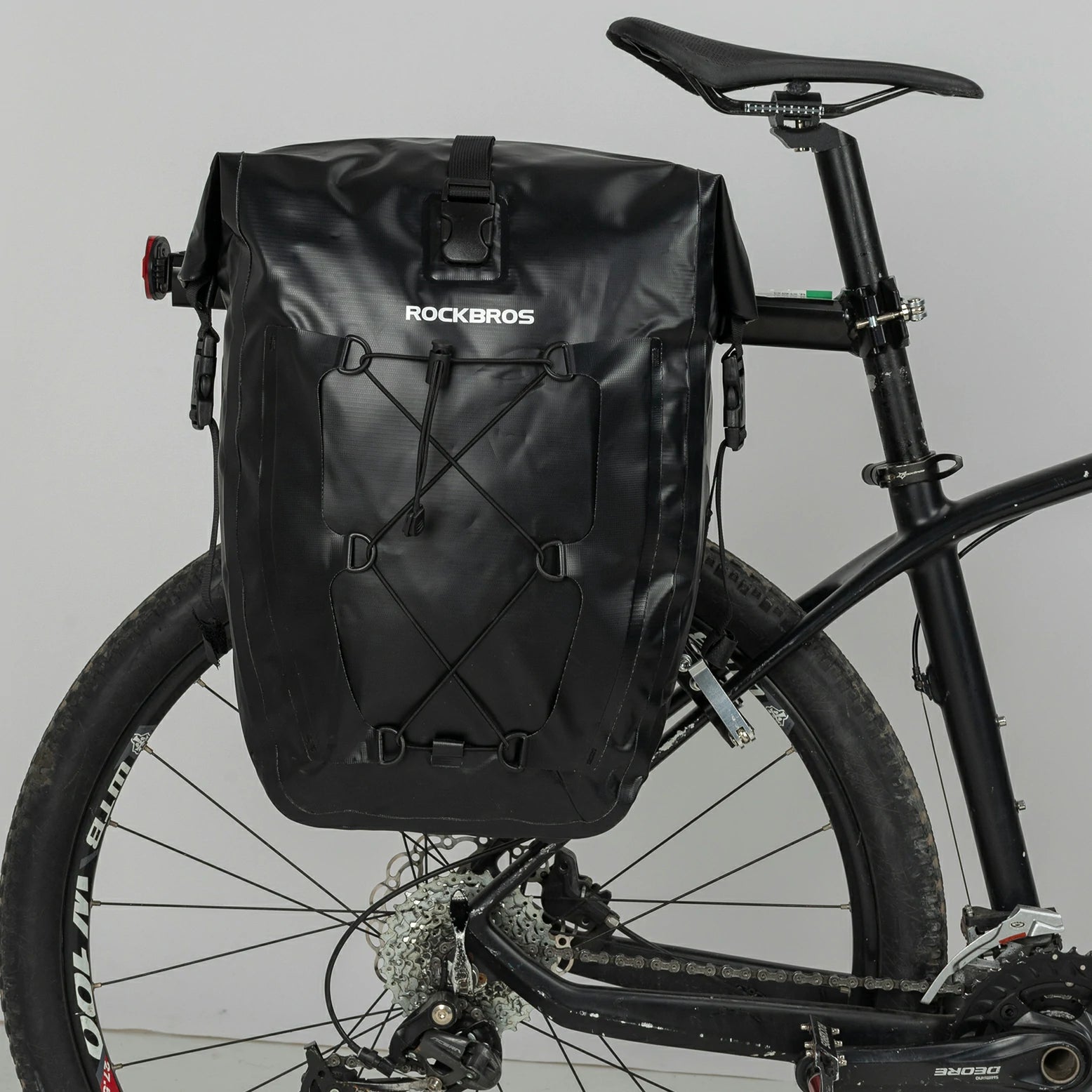
Saddle bags are compact and typically used for tools, spare tubes, and repair kits. Frame bags offer increased capacity and are commonly used for longer rides or bikepacking setups. Handlebar bags provide easy access to frequently used items.
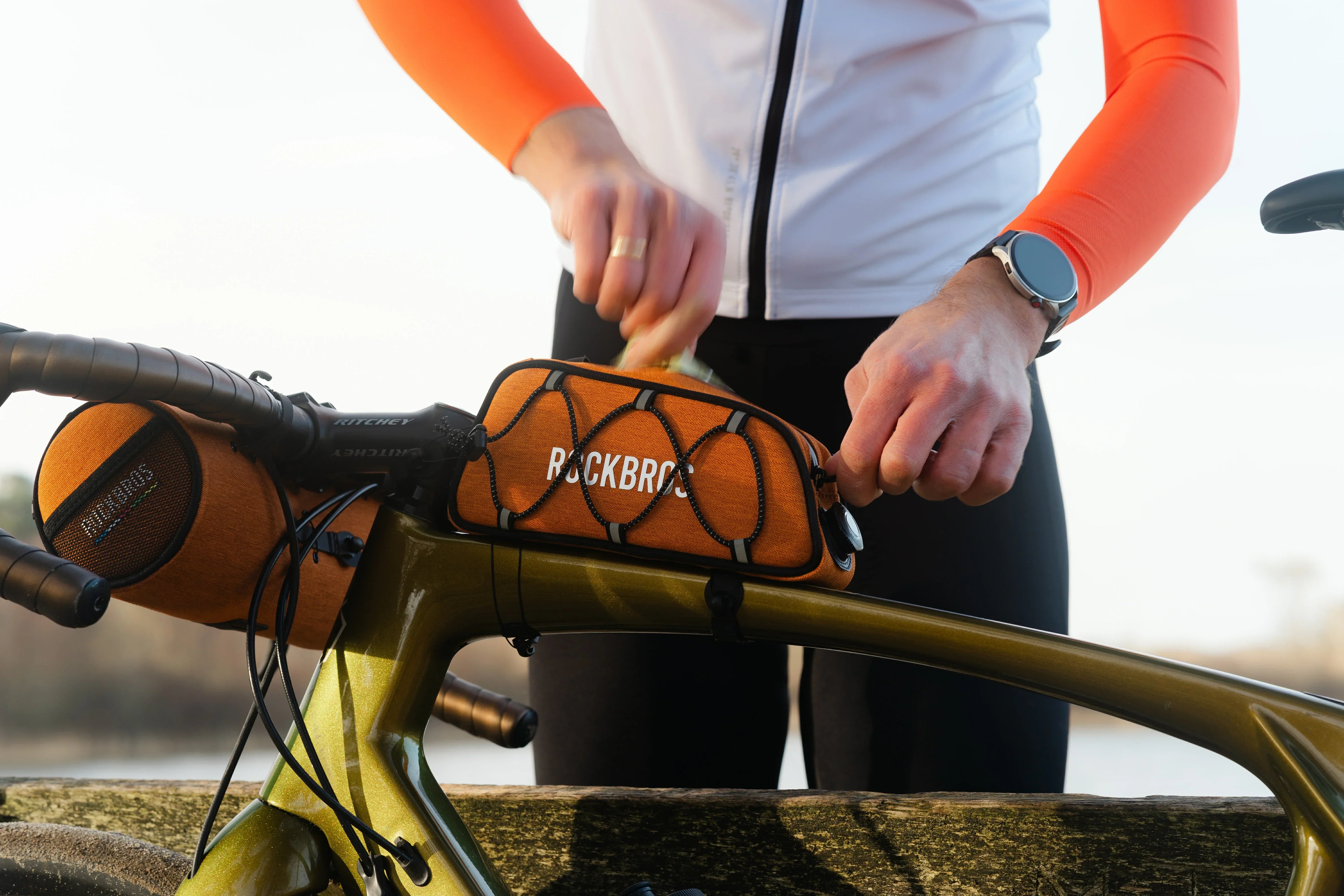
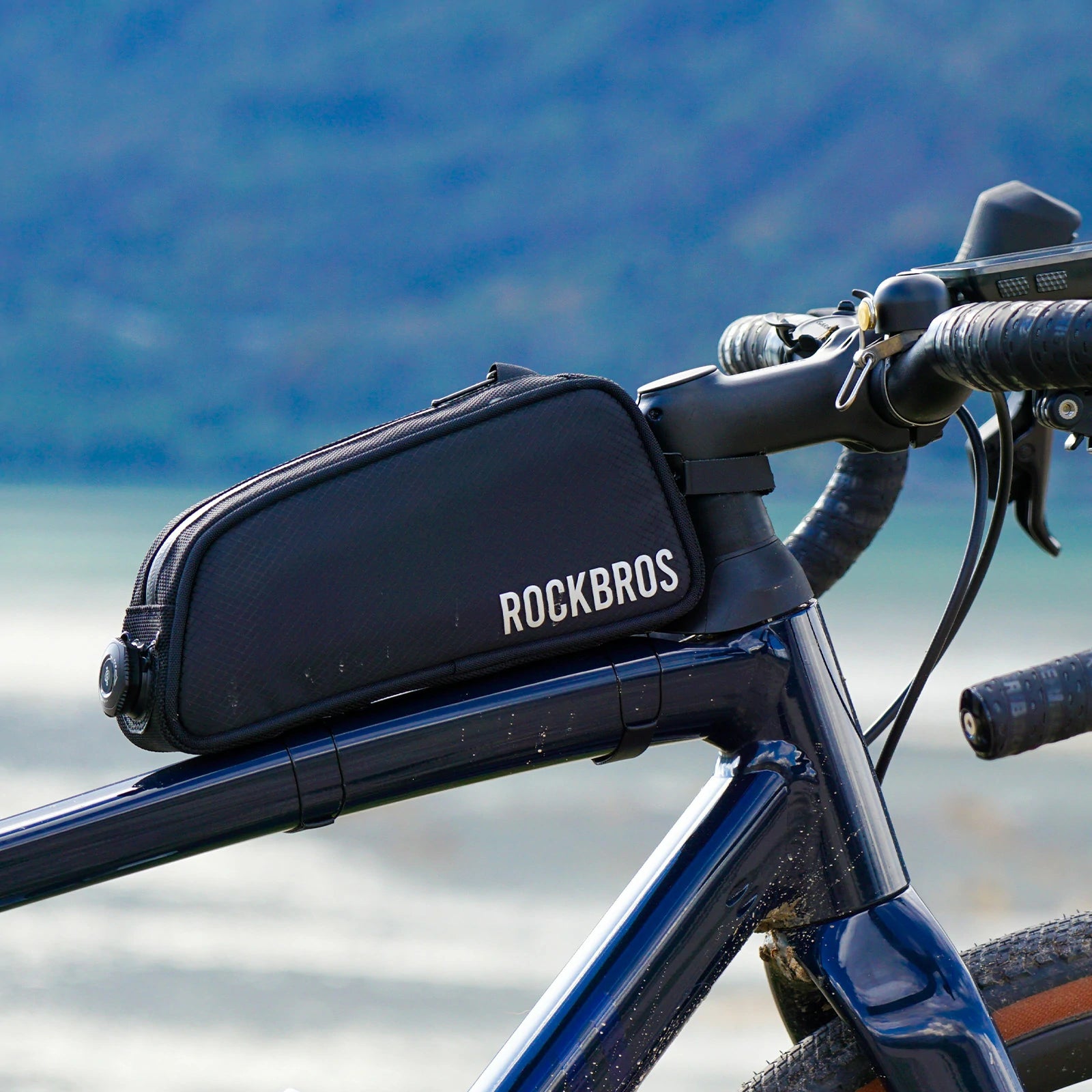
Top tube bags are positioned for quick access while riding and are often used as a convenient bike phone bag, making them ideal for storing phones, snacks, and small essentials within easy reach.

Capacity and Placement
Choosing the right capacity is not about carrying as much as possible, but about carrying what you need efficiently. Overloading a small bag can affect stability, while an oversized bag may be unnecessary for short rides.
Placement also plays an important role. Weight positioned lower and closer to the frame improves balance, while top tube and handlebar bags prioritise accessibility.
If you are also considering how to carry tools or inflators, you may find this guide helpful: Bicycle Pump Buying Guide
Materials and Weather Protection
Bike bags are often exposed to rain, dirt, and constant vibration. Durable materials and water-resistant coatings help extend the lifespan of the bag.
For commuting, basic water resistance may be sufficient. For longer rides or unpredictable weather, more robust protection becomes important.

Mounting Systems and Stability
The way a bag is attached to the bike affects both convenience and riding stability. Common mounting systems include straps, buckles, and quick-release mechanisms.
Secure mounting prevents movement and improves riding comfort, while easy removal can be useful for commuting or carrying items off the bike.
Riding Scenarios: Bikepacking and E-Bikes
Bikepacking and Long-Distance Riding
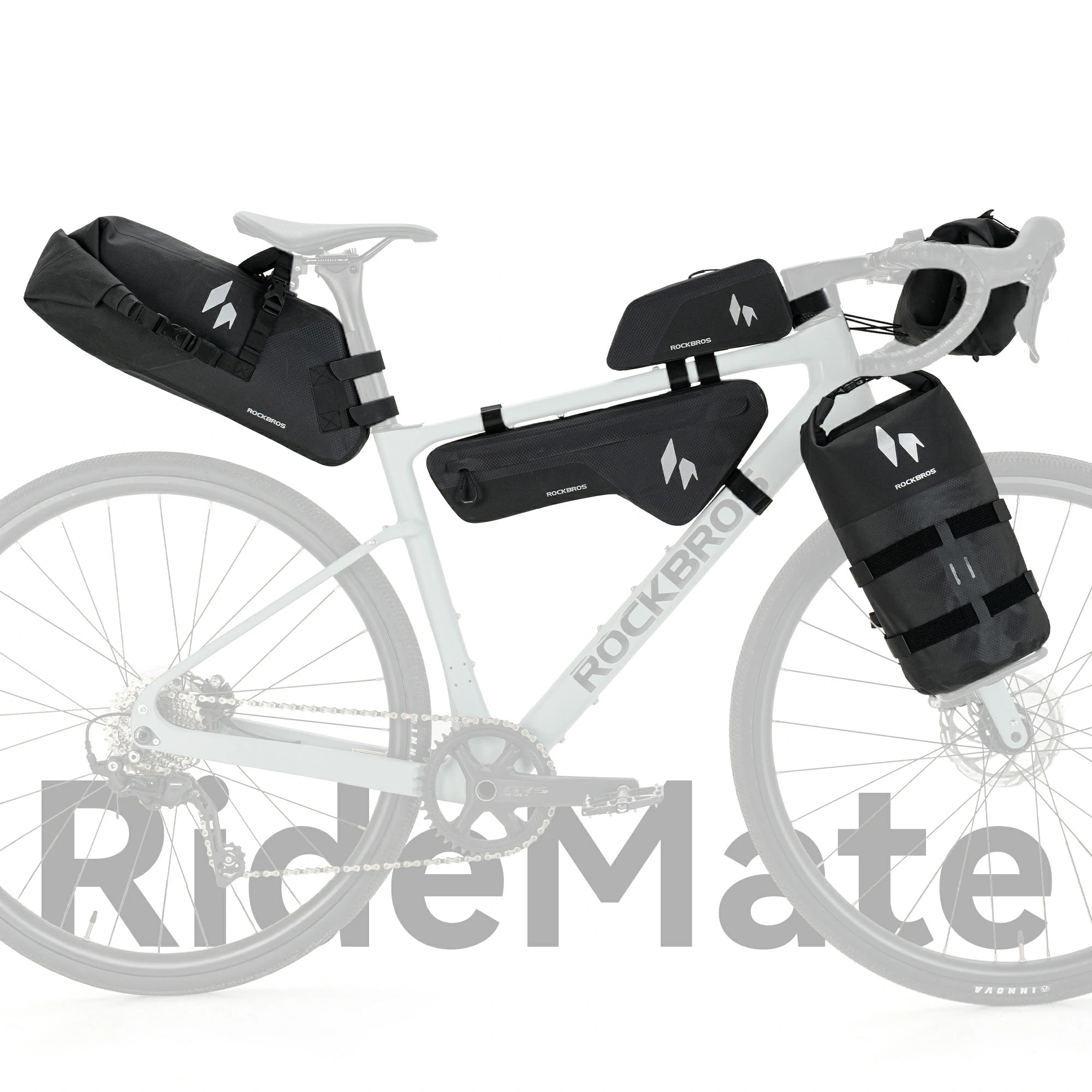
For bikepacking and long-distance cycling, multiple bags are often combined to distribute weight efficiently. Frame bags, saddle bags, top tube bags, and handlebar bags are commonly used together, allowing riders to carry gear without racks.

Bike Bags for E-Bikes
E-bike riders often have slightly different needs, especially for commuting and longer daily rides. A well-positioned bike bag provides convenient storage without affecting balance, making it easier to carry essentials such as tools, chargers, or personal items.
Choosing the Right Setup
Rather than choosing a single bag for every situation, combining different types of bags often provides a more practical solution.
Understanding how bag types, placement, and riding style interact allows riders to build a setup that suits their needs without unnecessary complexity.