
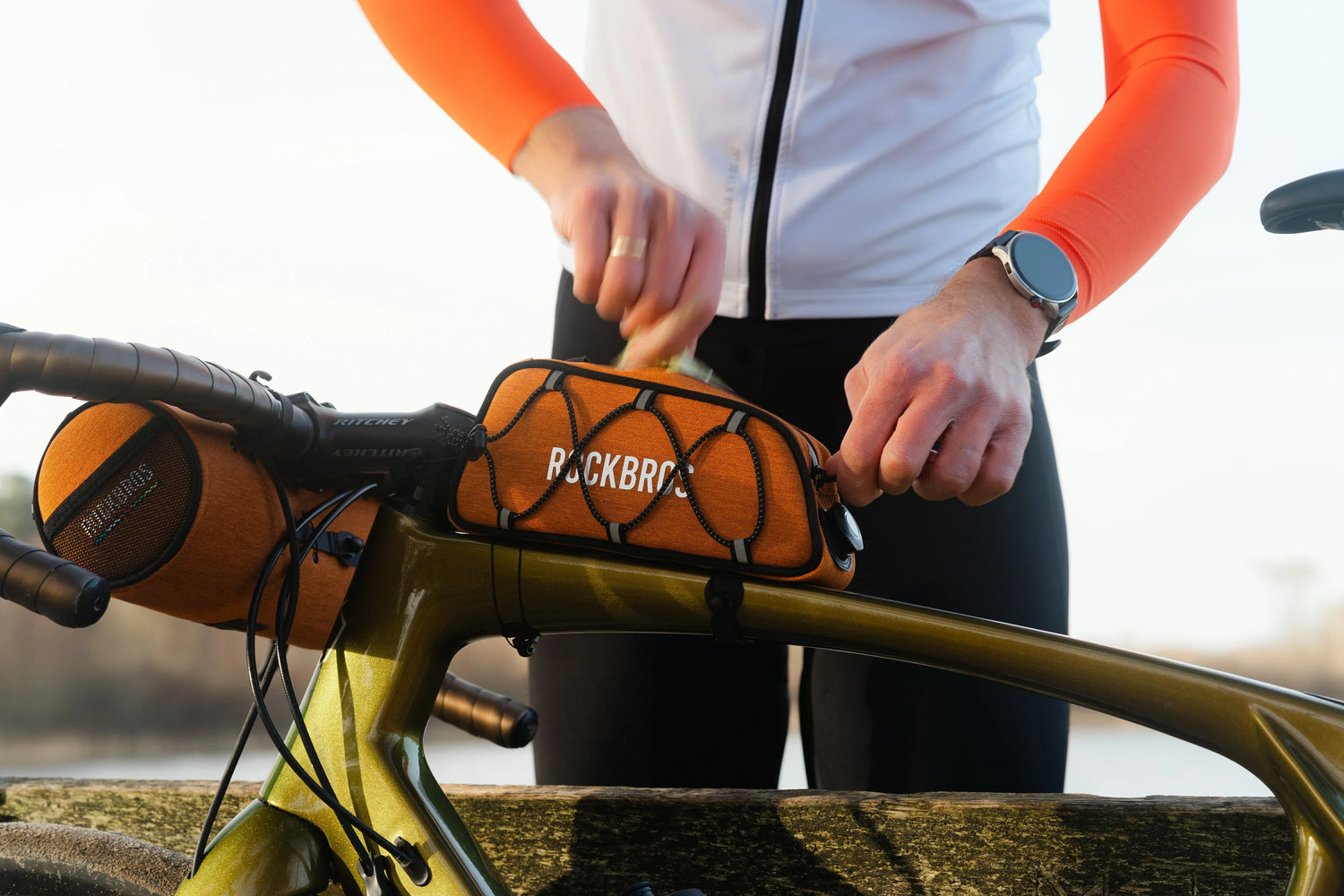
As the seasons change, many riders start thinking about getting back on the bike — whether for commuting, weekend rides, or longer spring adventures. But instead of replacing everything at once, it’s worth focusing on the gear that actually makes a difference during seasonal transitions.
Here’s a practical guide to which cycling gear is truly worth upgrading when conditions change — especially for spring riding in the UK.
1. Cycling Helmet: Safety Comes First
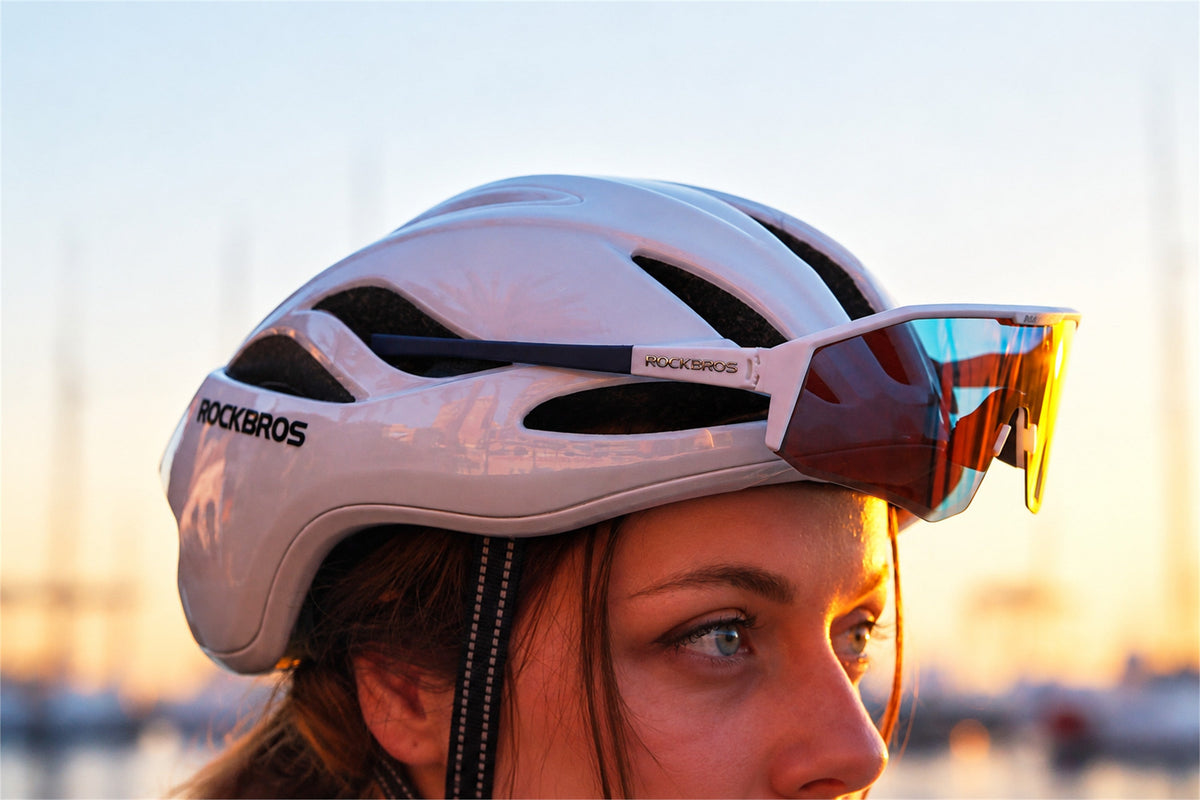
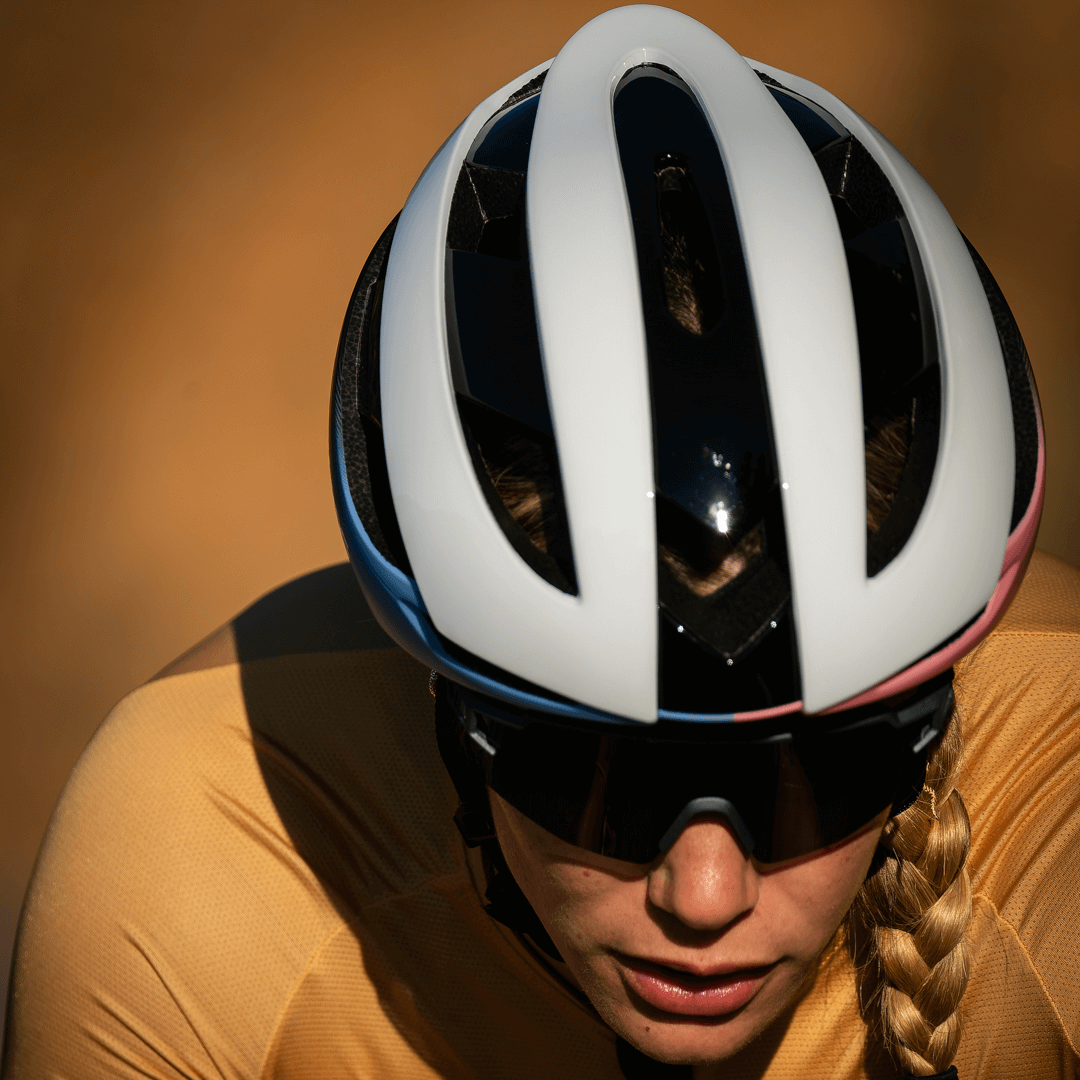
A cycling helmet is one of the most important pieces of gear — and one that’s often used for far longer than it should be. Many riders don’t realise that helmets are not designed to last forever.
Most manufacturers recommend replacing a helmet every 3–5 years, even if it hasn’t been involved in a crash. Over time, UV exposure, sweat, temperature changes, and general wear can reduce its protective performance.
Seasonal change is a good reminder to check:
- Cracks or damage to the outer shell
- Compressed or brittle foam inside
- Loose fit or worn adjustment system
If your helmet feels less secure, less comfortable, or simply older than you remember, spring is a sensible time to upgrade. You can explore our current selection of cycling helmets here.
2. Layered Ride Apparel for Changing Temperatures
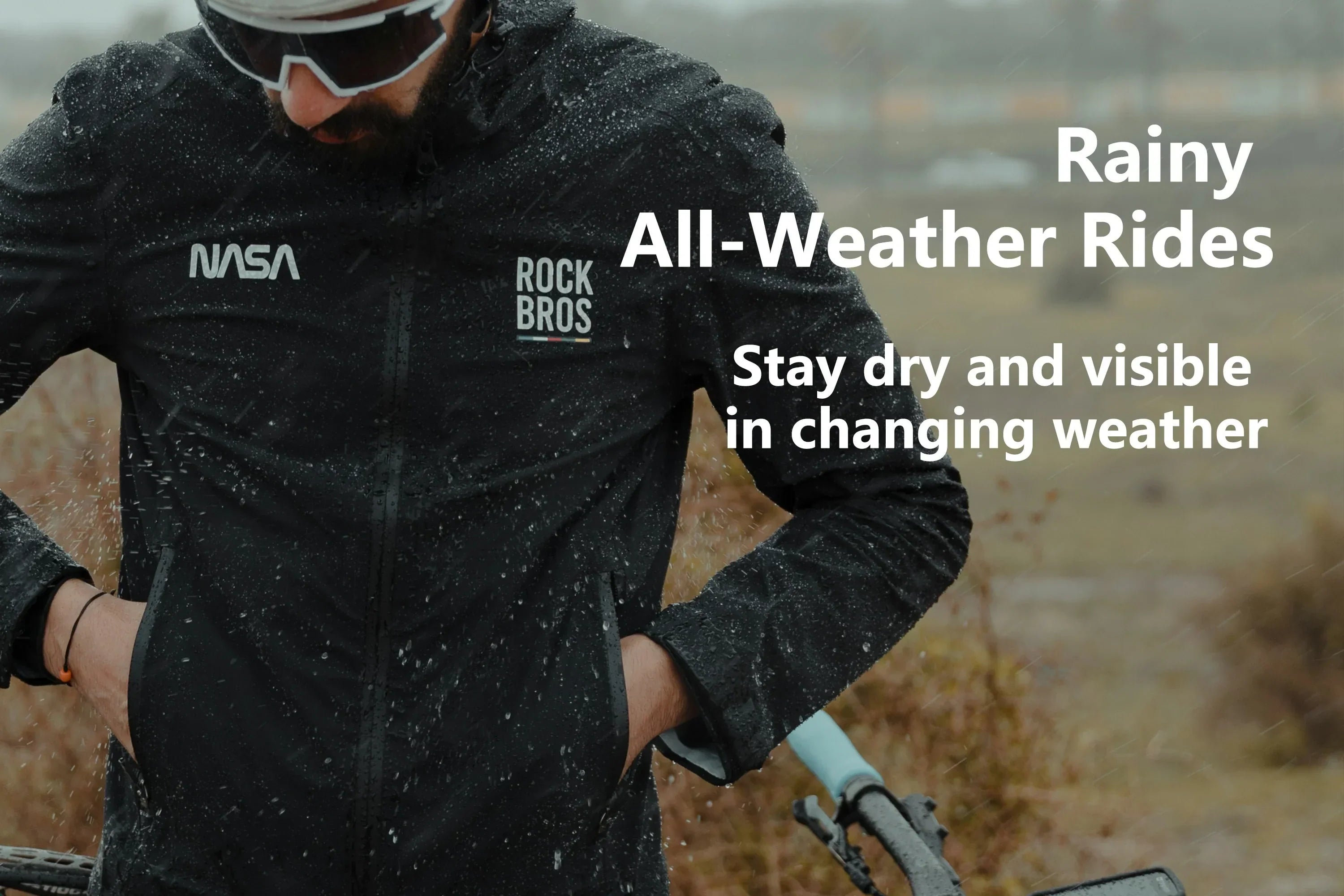
Spring riding often means cool mornings, milder afternoons, and unpredictable conditions. Instead of heavy winter gear, lightweight layering becomes far more practical.
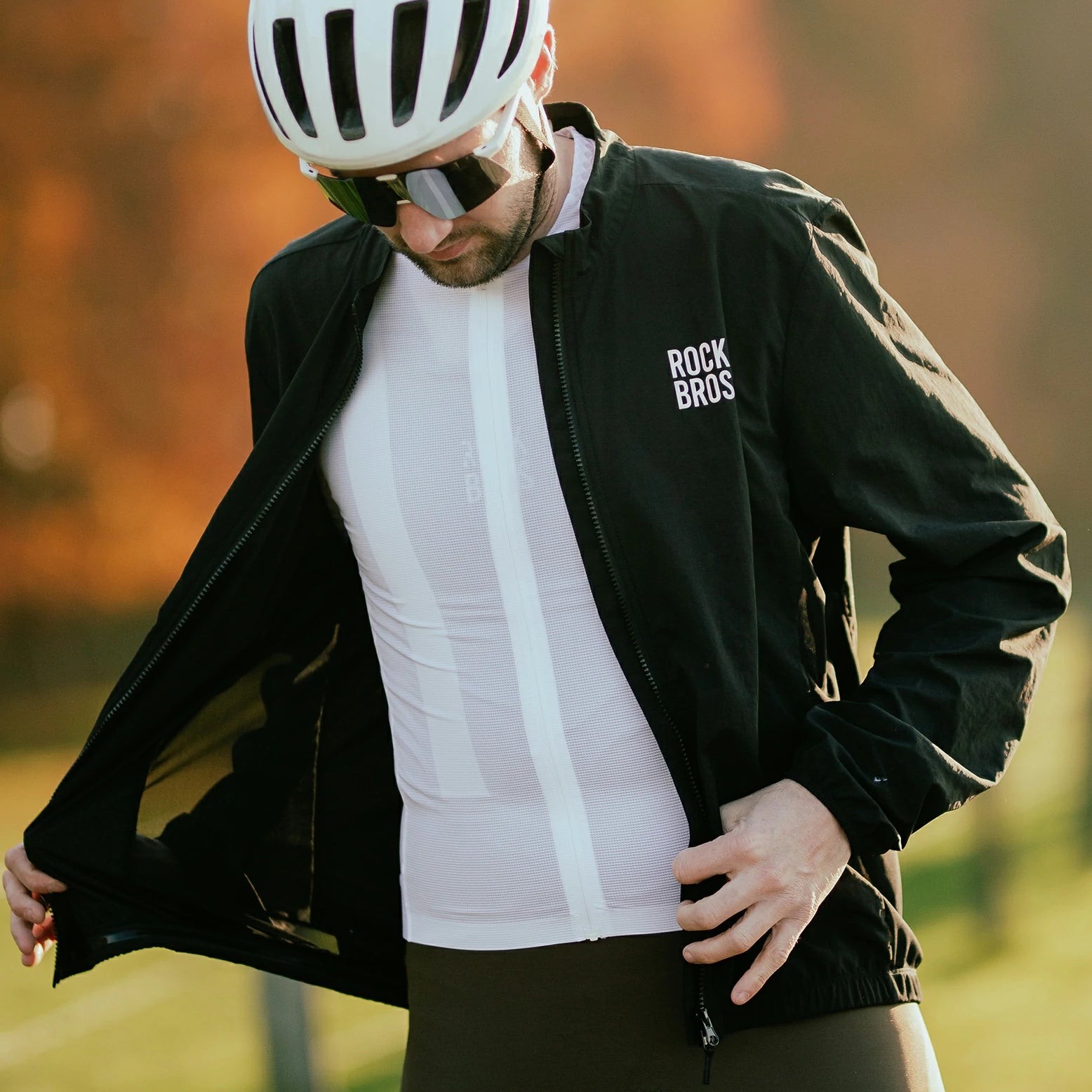
A breathable base layer combined with a light windproof or water-resistant outer layer allows you to adapt easily throughout the ride. This approach works well for commuting and longer rides alike.
If your current kit feels too warm, bulky, or restrictive, upgrading to lighter seasonal layers can immediately improve comfort.
3. Mudguards: A Small Upgrade with Big Impact
Spring weather in the UK is famously unpredictable. Even on dry days, wet roads and sudden showers are common — especially for commuters.
Mudguards are often overlooked, but they make a noticeable difference:
- Keep water and road spray off your clothing
- Protect your bike and components
- Make everyday rides far more comfortable
If you stopped using mudguards during winter or never had them fitted, spring is a smart time to add them back into your setup. You can view our range of bicycle mudguards here.
4. Waterproof Bike Bags for Seasonal Riding
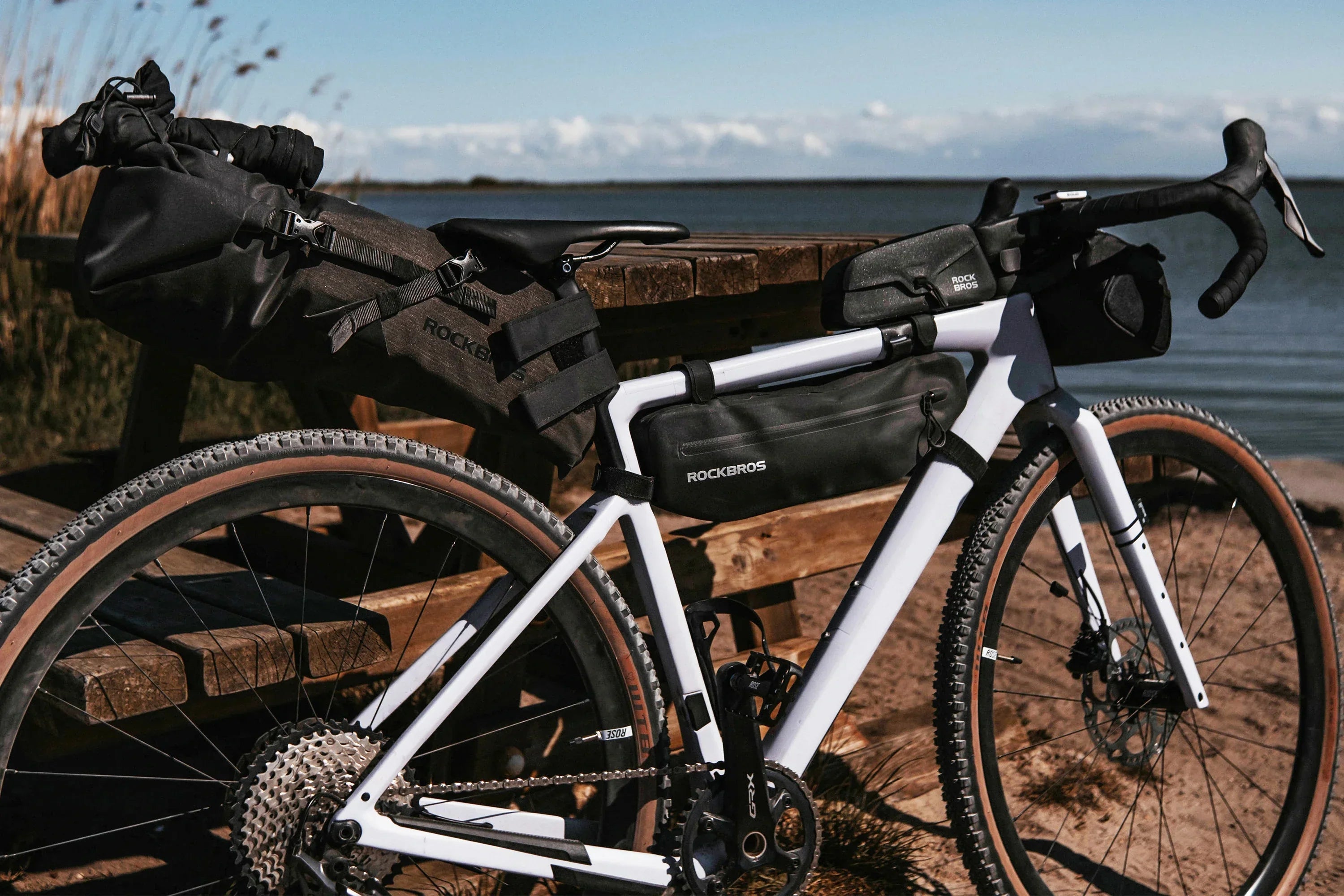
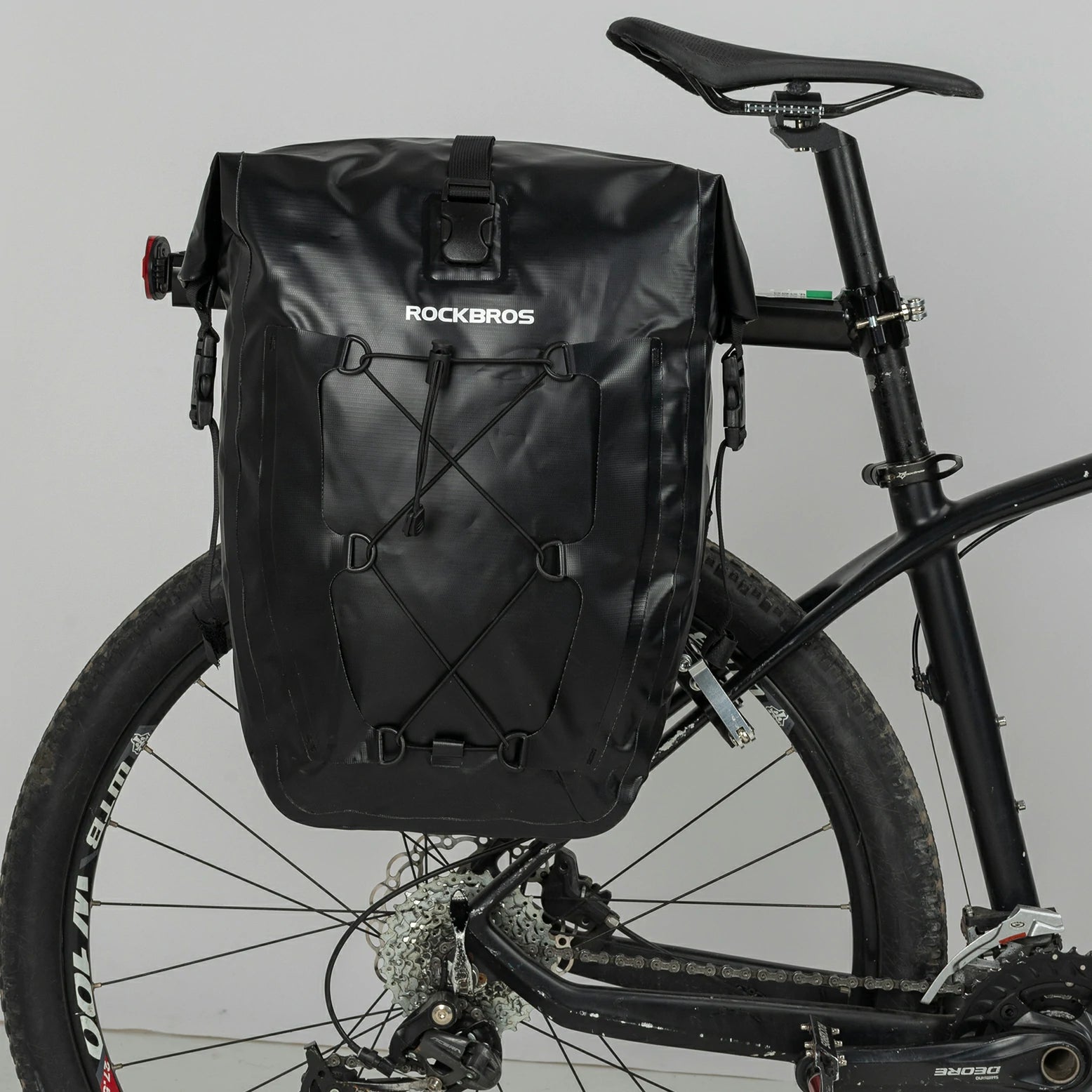
With changing weather comes a greater risk of unexpected rain. For riders carrying work items, spare layers, or essentials, waterproof bike bags become far more valuable in spring.
Unlike regular bags, fully waterproof designs help keep everything dry without the need for extra covers or liners. This is especially useful for commuting and longer rides where weather can change quickly.
If you’ve ever arrived with damp clothes or wet electronics, upgrading to a waterproof bike bag is well worth considering. You can take a look at our fully waterproof bike bag collection here.
5. Lights for Early Mornings and Late Evenings
Days are getting longer, but early mornings and evenings can still be dim — particularly in early spring. Reliable lights improve visibility, safety, and confidence on the road.
If your current lights feel weak, have poor battery life, or struggle in wet conditions, this is another upgrade that pays off immediately.
Upgrade What Matters Most
Seasonal change doesn’t mean replacing all your cycling gear at once. Instead, focus on the items that directly affect safety, comfort, and everyday riding experience.
A well-fitted helmet, adaptable layers, practical mudguards, waterproof storage, and dependable lights can make spring riding safer and far more enjoyable — without unnecessary upgrades.
Small, thoughtful changes often make the biggest difference.
Frequently Asked Questions
How often should you replace a cycling helmet?
Most cycling helmet manufacturers recommend replacing your helmet every 3 to 5 years, even if it hasn’t been involved in a crash. Over time, sunlight, sweat, temperature changes, and normal wear can reduce the helmet’s ability to protect you properly. If your helmet feels loose, uncomfortable, or shows visible wear, it may be time to replace it.
Is spring a good time to upgrade cycling gear?
Yes. Seasonal change is one of the best times to review your cycling setup. Spring riding often involves changing temperatures, wet roads, and longer rides, which can highlight weaknesses in older gear. Upgrading key items during this period can significantly improve comfort and safety.
Do I need mudguards for spring cycling in the UK?
In the UK, spring weather can be unpredictable. Even without heavy rain, wet roads and puddles are common. Mudguards help keep water and road spray off your clothing and bike, making everyday rides and commutes much more comfortable.
Are waterproof bike bags worth it for everyday riding?
Waterproof bike bags are especially useful during spring, when sudden showers are common. They help protect essentials like clothing, electronics, and tools without relying on rain covers. For commuting or longer rides, a waterproof bag can make riding in mixed conditions far more practical.
What cycling gear should I prioritise upgrading first?
Safety-related items such as helmets should always come first. After that, focus on gear that improves comfort in changing conditions — including layered apparel, mudguards, and weather-resistant storage. Small, targeted upgrades often make the biggest difference during seasonal riding.