



A compact bike repair kit earns its place when the ride stops being convenient. A puncture outside the station, a bolt that has worked loose on rough roads or a slipped chain can turn a short trip into a long walk if the one useful item is at home.
The goal is not to carry a workshop. It is to carry a small, familiar set of tools that matches your bike and the rides you actually do. For many UK commuters and weekend riders, that means being able to deal with one likely interruption, then getting home or to a bike shop without improvising.

Start with the problems you can realistically fix
Most roadside fixes are modest: a flat tyre, a loose accessory, a chain that has come off, or a saddle and handlebar adjustment that needs a quick check. Your kit should cover those jobs first. Do not add a tool just because it looks capable; add it because you know which part of your bike it serves.
The compact essentials
1. A multi-tool that fits your bike
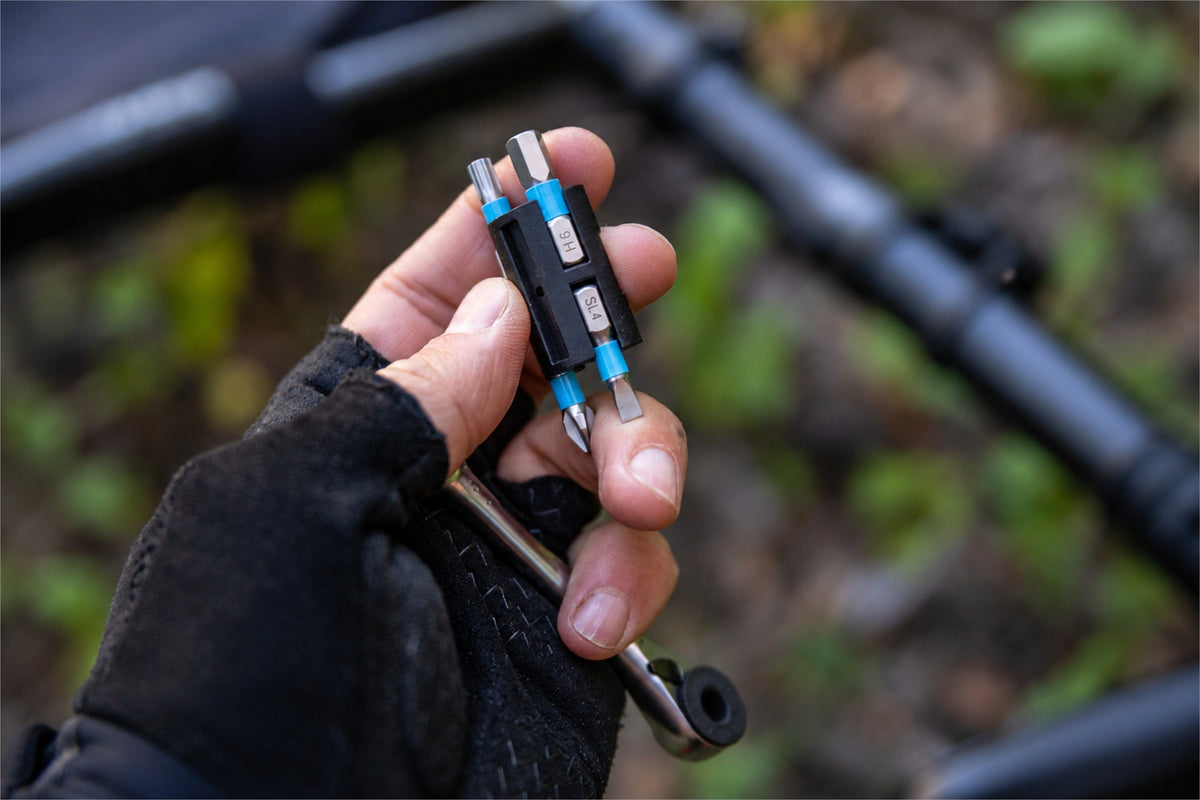
Check the hex keys and screwdriver heads against the bolts on your stem, saddle clamp, bottle cage, mudguards and rack before you buy. A small multi-tool is more useful when it reaches your own fittings than when it has a long list of tools you will never use. If your bike has Torx bolts, include the relevant key.
2. A puncture plan
For inner-tube tyres, pack two tyre levers, a spare tube that matches your wheel size and valve type, plus a way to inflate it. A patch kit is light and useful, but it is slower to rely on in rain or fading light. Riders using tubeless tyres may prefer plugs and a compact inflator instead. Whichever route you use, practise once at home; the first attempt should not be beside traffic.
3. A compact pump or inflator
Choose the option you are prepared to carry every ride. A hand pump takes more effort but can be used repeatedly. A CO₂ inflator is quick and small, but only helps if you also have a compatible cartridge and know how to use it. Check whether your valve is Presta, Schrader or an adapter setup before packing either.
4. A quick-link that matches your chain
A spare quick-link is tiny, inexpensive and easy to forget until it matters. It must match the number of speeds on your drivetrain. Carrying one does not replace a chain tool, but it gives you a realistic way to reconnect a damaged chain if your multi-tool includes the right function.
5. A small way to protect your hands
A pair of disposable gloves, a small cloth or a few wipes can make a muddy roadside repair much less miserable. They also stop chain oil migrating to your jacket, phone and bar tape afterwards.
Pack for the bike you are riding, not the bike in your head
Before every longer ride, look at the bike in front of you. A commuter with a rack and full mudguards may need a couple of extra fasteners; a road bike with tubeless tyres needs a different puncture plan; an e-bike may need a specific security key or a larger tyre lever. Weight matters, but compatibility matters more.
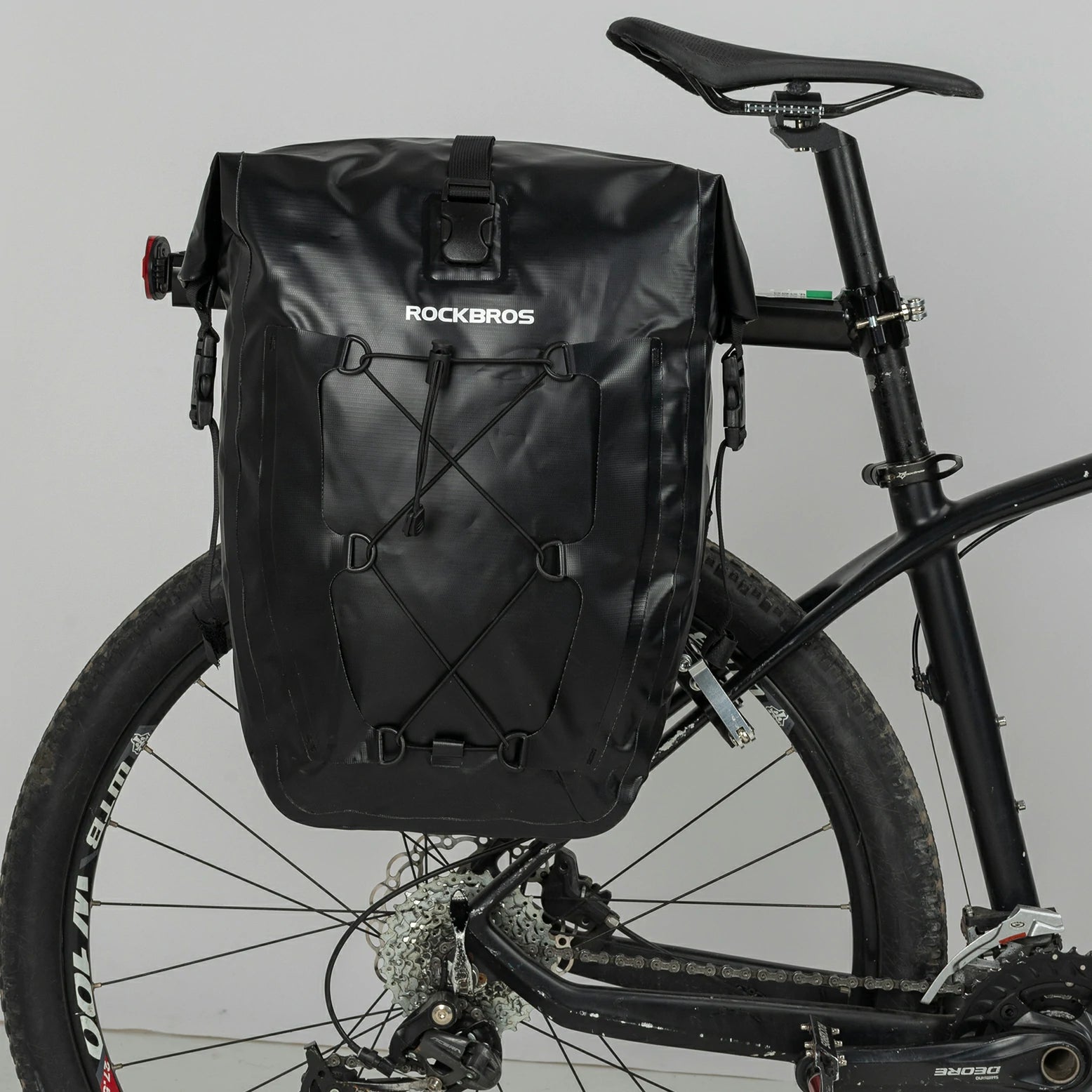
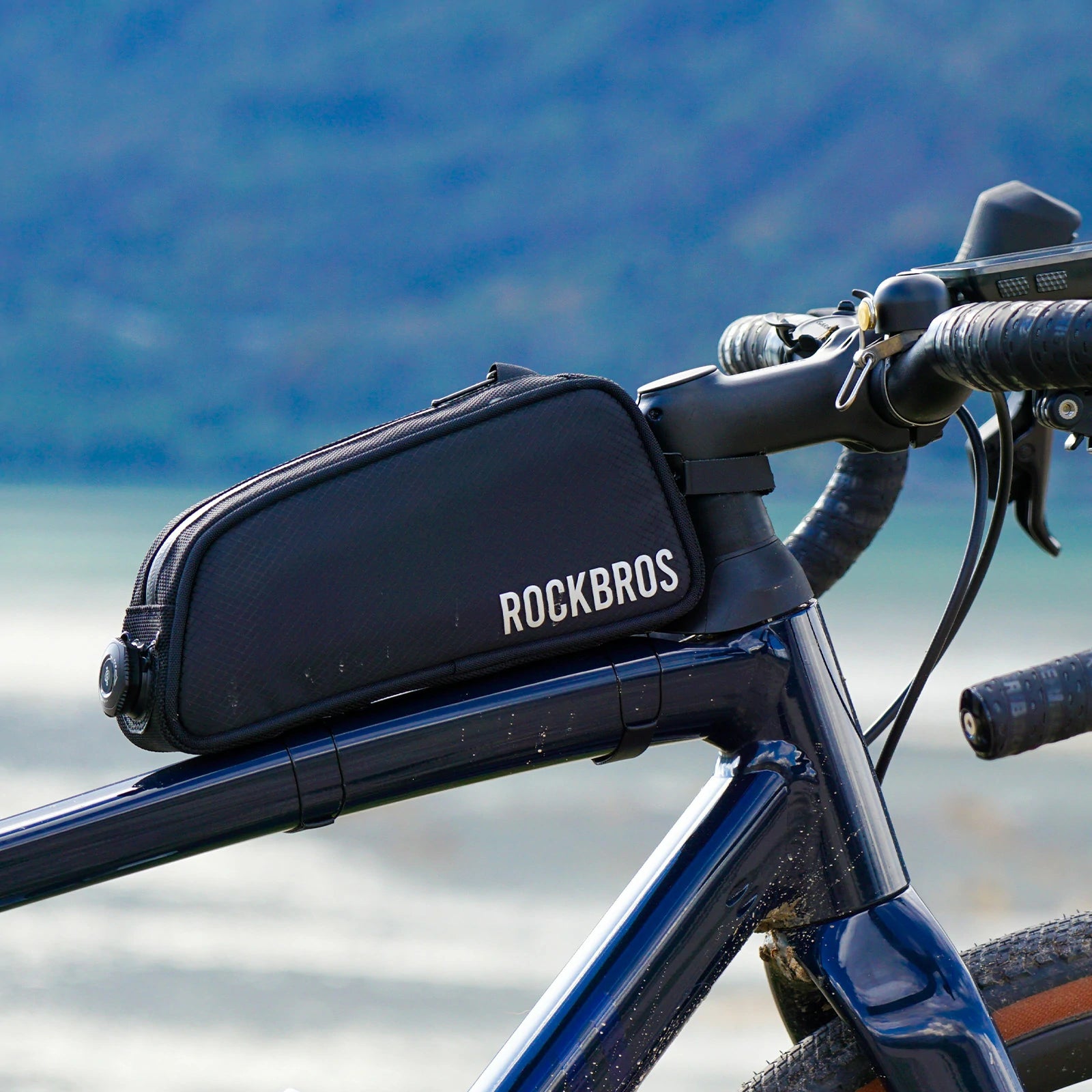
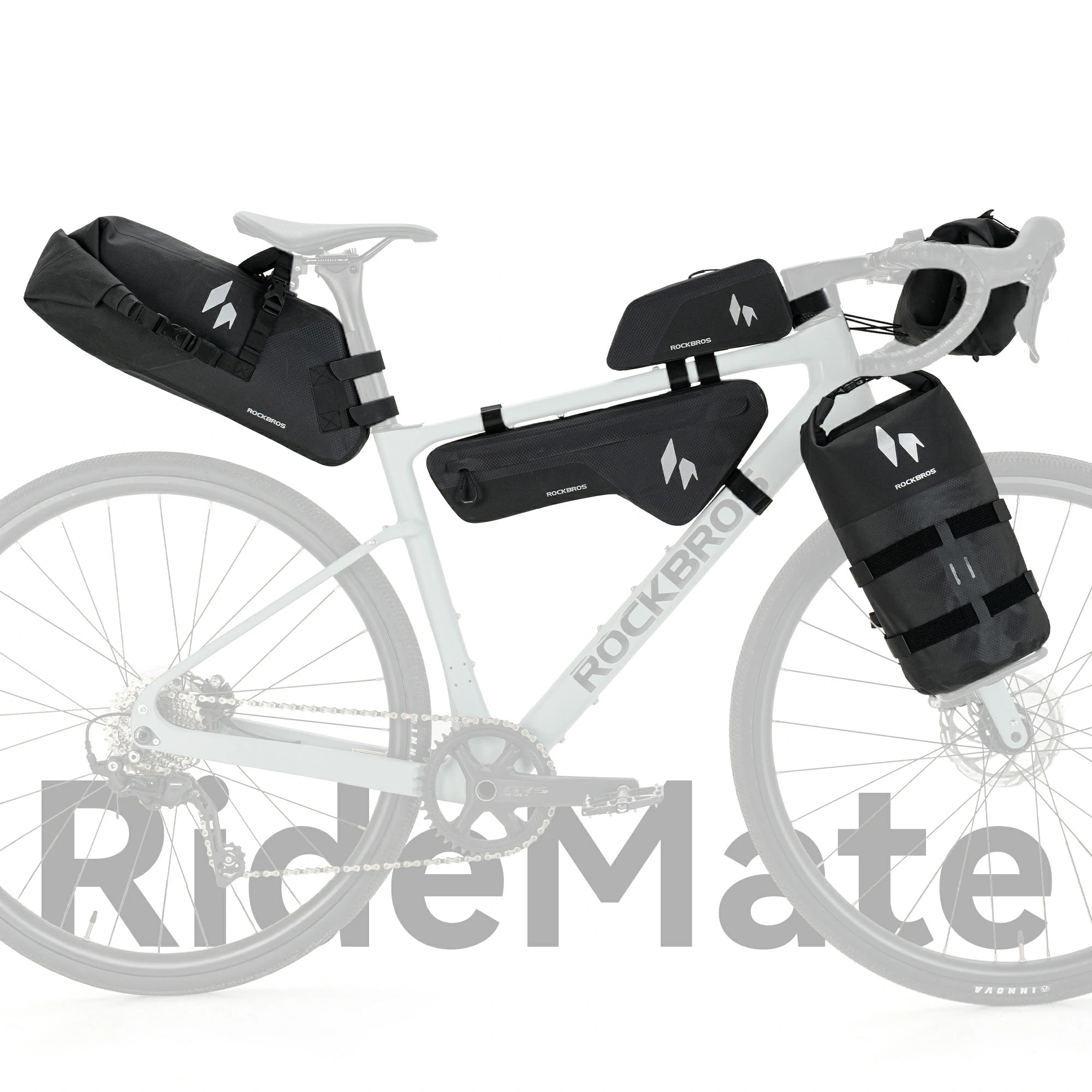
A small saddle bag, frame bag or jacket pocket is usually enough. Keep the kit in one place and return tools after every repair. The best compact repair kit is the one that leaves with you rather than remaining on the kitchen table.
A five-minute check before you set off
- Are the tyre levers suitable for your rim and tyres?
- Does the spare tube have the correct valve length?
- Do the multi-tool keys fit the bolts you may need to adjust?
- Is the pump or inflator compatible with your valves?
- Is the quick-link the right speed for your chain?
That check is less glamorous than choosing gear, but it is what makes a repair kit dependable. Once the basics are covered, you can add ride-specific items such as a spare derailleur hanger, a small chain tool or a cable tie. Keep the core kit light, know what every item does, and it will be there when a small problem threatens to end a good ride.