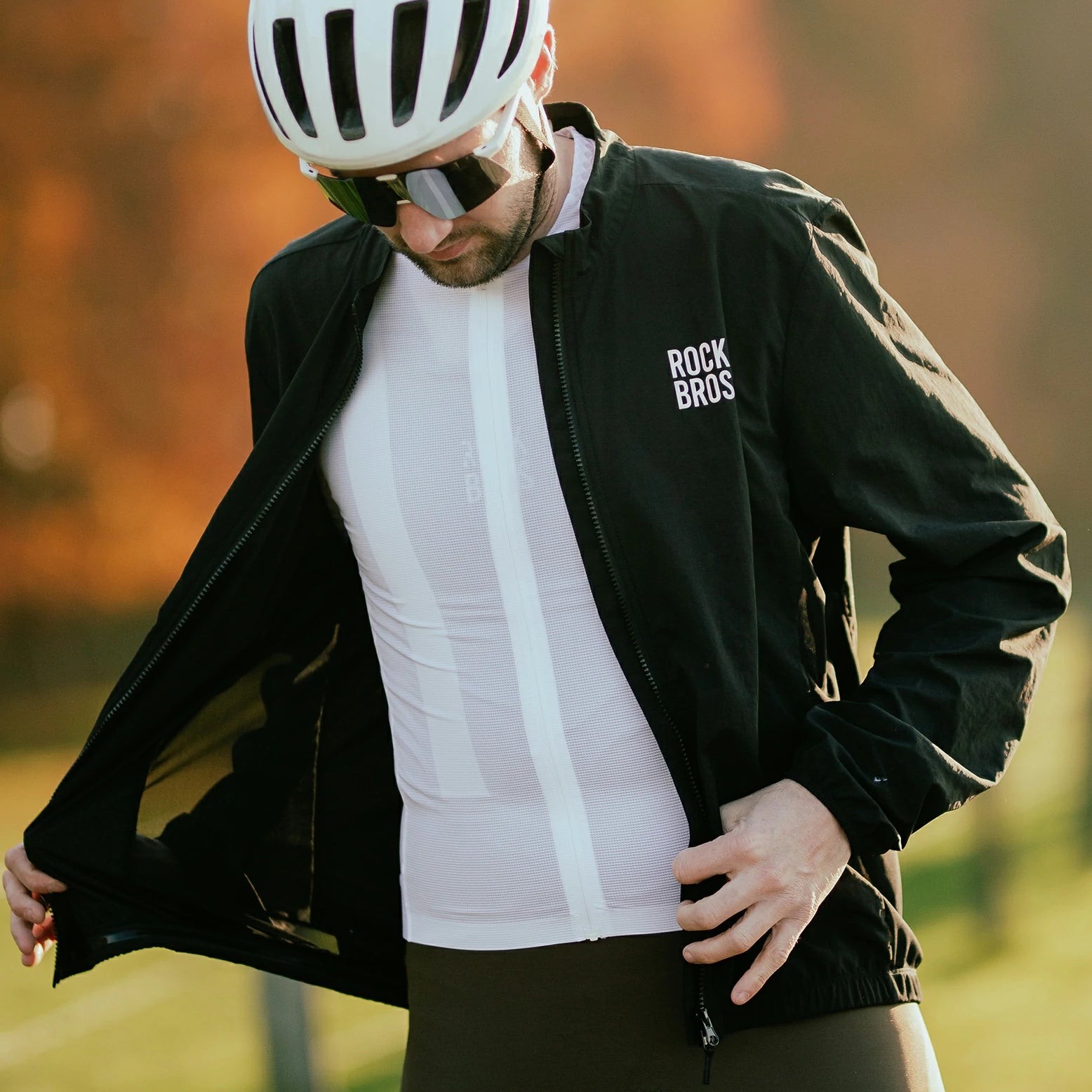
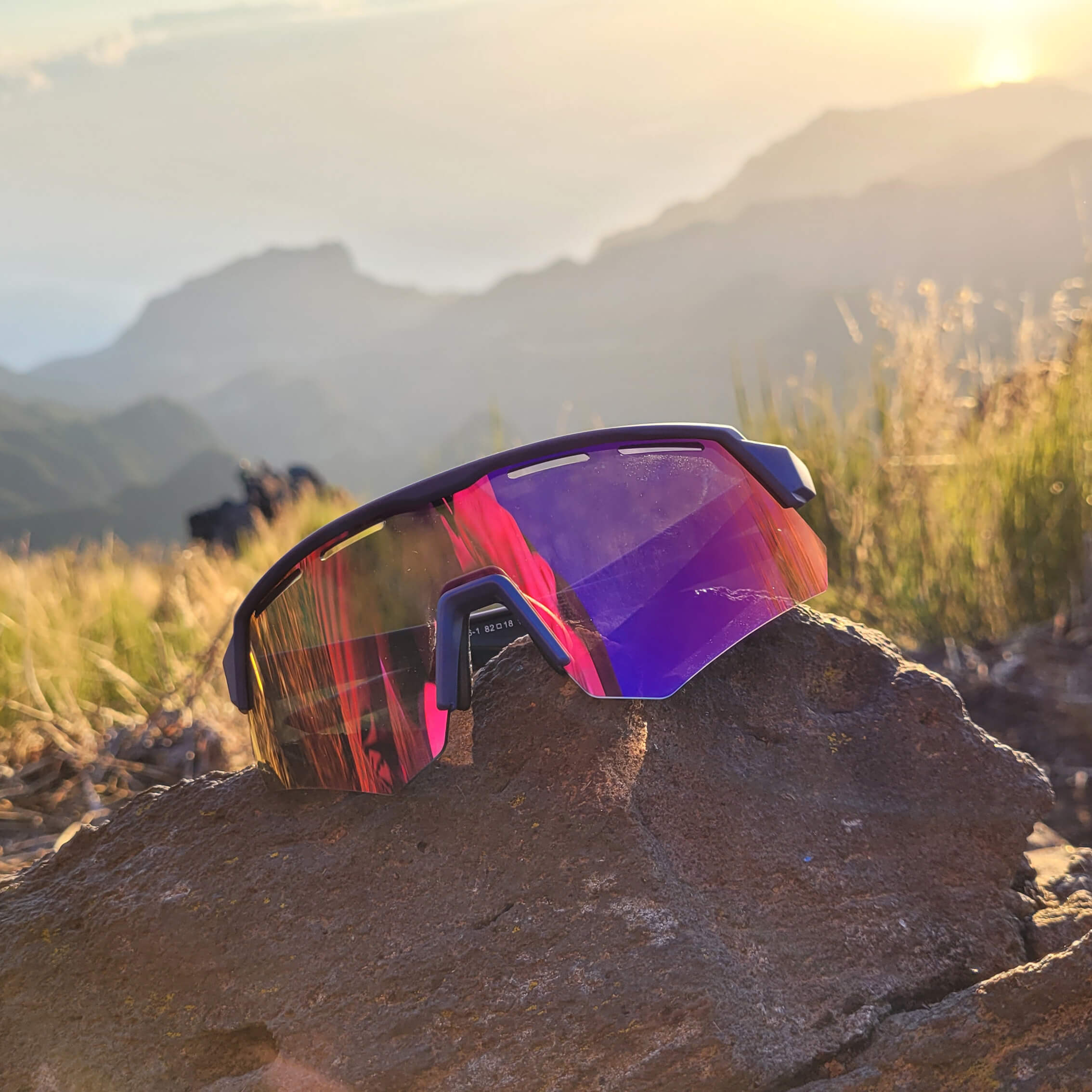

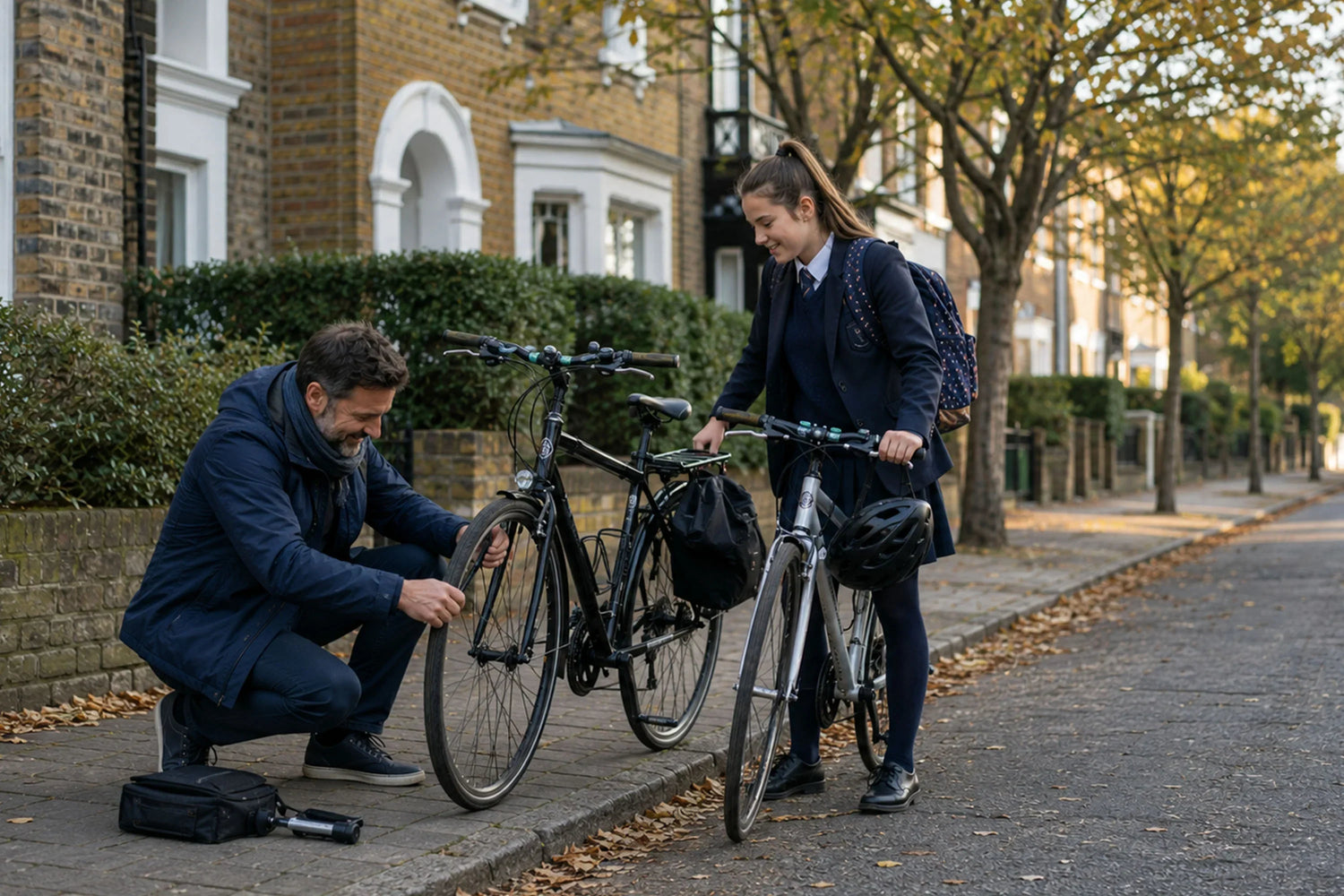
A new school term often means earlier mornings, busier roads and a return to more regular daily journeys.
For students cycling to school, parents riding alongside younger family members and adults commuting at the same time, a little preparation can make the journey feel safer, easier and more organised.
The goal is not to buy every cycling accessory available. It is to focus on a few practical essentials: a roadworthy bike, good visibility, reliable security and enough carrying space for everyday items.
Getting ready for the new term?
Explore our commuter cycling gear for practical bike locks, lights, bags and everyday accessories.
Why the New Term Is the Right Time for a Bike Check
During the summer holidays, a bike may have been used less frequently, stored outside or simply left unchecked for several weeks.
For growing students, the bike that fitted comfortably last term may also need a few adjustments before daily riding begins again.
A back-to-school bike check helps identify small problems before they interrupt the morning routine. It also gives students time to become familiar with their journey before the roads become busier.
Try completing the first check at least one or two weeks before the new term. This leaves enough time to adjust the bike, replace worn parts and practise the route without rushing.

Start with the Bike, Not the Accessories
Before thinking about bags, lights or phone holders, make sure the bike itself is comfortable and working properly.
Check the Tyres and Wheels
Tyres should be properly inflated and free from obvious cuts, cracks or excessive wear.
Spin both wheels and check that they rotate smoothly without rubbing against the brakes. A compact pump at home or in a commuting bag makes it easier to keep tyre pressure under control throughout the term.
Test the Brakes
Both brakes should respond quickly and provide enough stopping power.
Brake levers should not pull all the way back to the handlebar. Unusual noises, weak braking or worn brake pads should be checked before the bike is used for regular school journeys.
Adjust the Saddle and Handlebars
Students can grow noticeably between school terms.
Check that the rider can reach the handlebars and brakes comfortably. The saddle should provide a stable riding position without making it difficult to stop and place a foot on the ground.
Inspect the Chain and Gears
A dry or dirty chain can make everyday riding feel harder than necessary.
Clean and lubricate the chain where needed, then test the gears to make sure they change smoothly. Small maintenance jobs now can prevent delays during busy school mornings.
Essential Cycling Gear for Secondary School Students
Once the bike is ready, focus on accessories that support visibility, security and daily convenience.
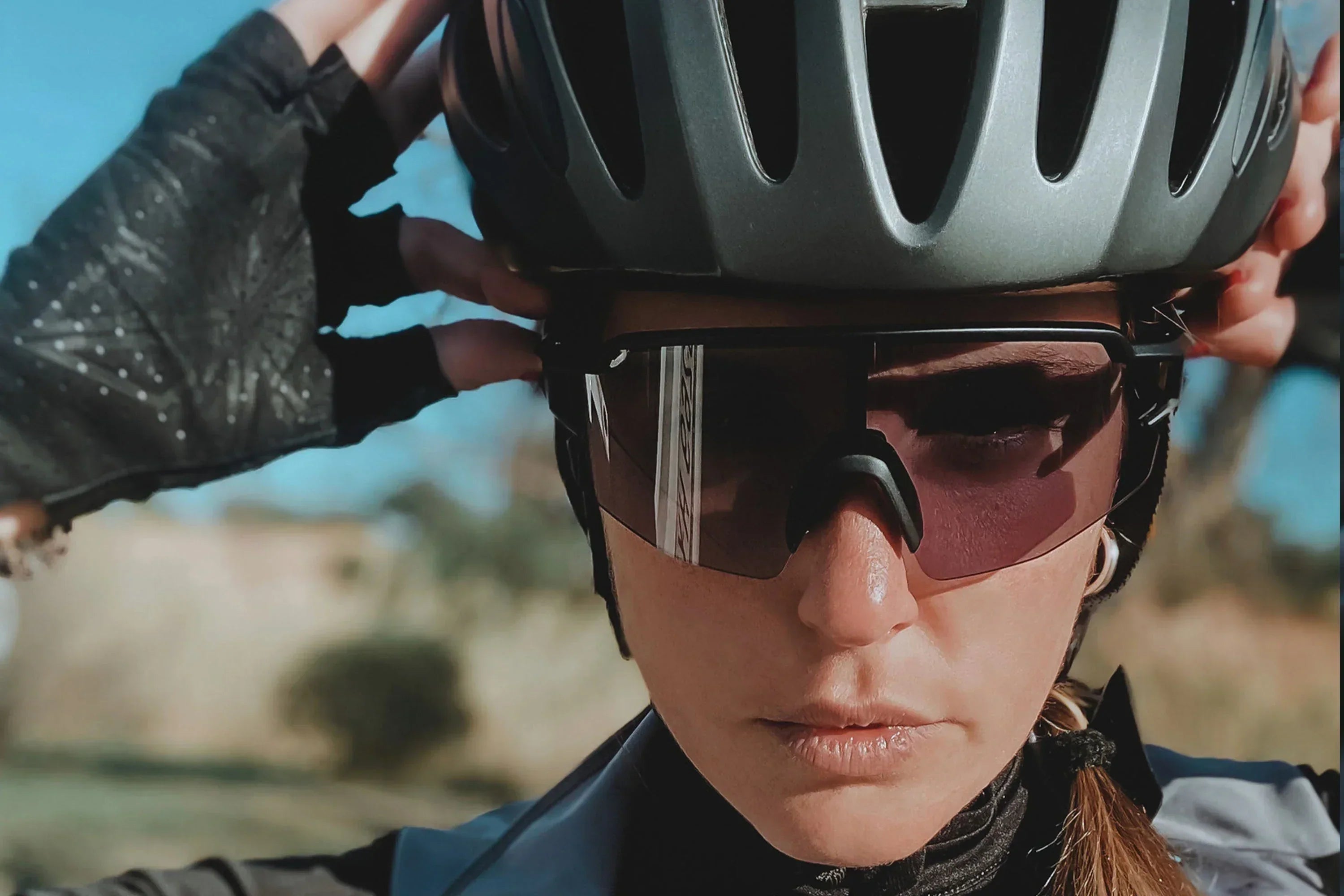
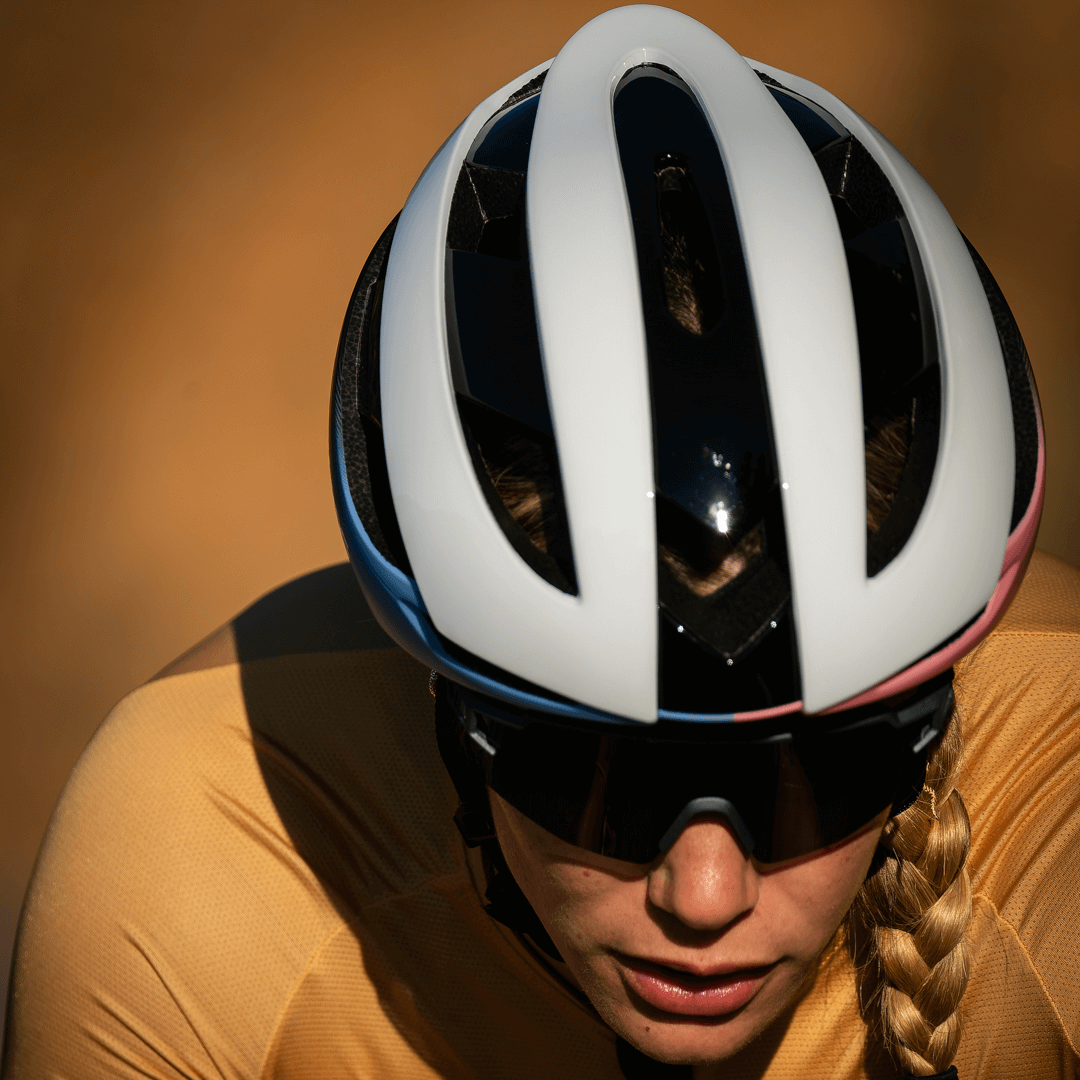
A Correctly Fitted Helmet
A helmet should sit level on the head rather than tilting backwards or forwards.
The straps should be secure without feeling uncomfortable, and the helmet should remain stable when the rider moves their head.
For students who have grown since the previous term, check the fit rather than assuming the same adjustment is still suitable.
Front and Rear Bike Lights
School journeys may begin in daylight during September, but mornings and afternoons become darker as autumn continues.
A front and rear light set helps keep the rider visible during early starts, evening activities and poor weather. Rechargeable lights should be charged regularly rather than left until the battery is almost empty.
Explore our bike lights for everyday school and commuting journeys.
A Reliable Bike Lock
School cycle parking can remain busy for several hours at a time, so a basic lightweight cable may not always provide enough reassurance.
Choose a lock that is practical enough for the student to carry but strong enough for regular use. The frame should be secured to a fixed cycle stand, with as little unused space inside the lock as possible.
Students should also practise using the lock before the first day back.
Browse our bike locks for school, work and everyday cycling.
A Practical Bike Bag
Books, stationery, lunch, a jacket and personal belongings can quickly make a school backpack feel heavy.
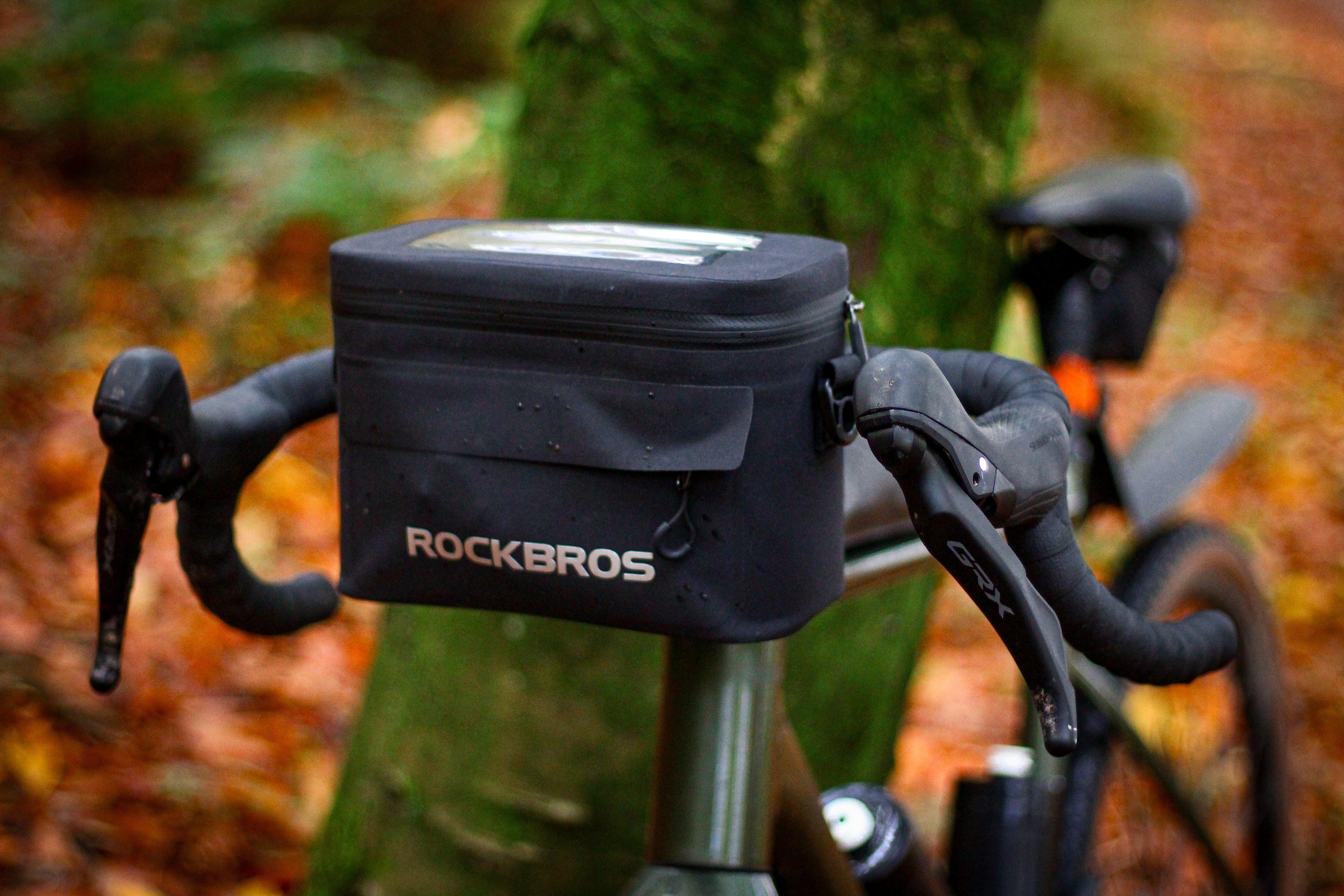
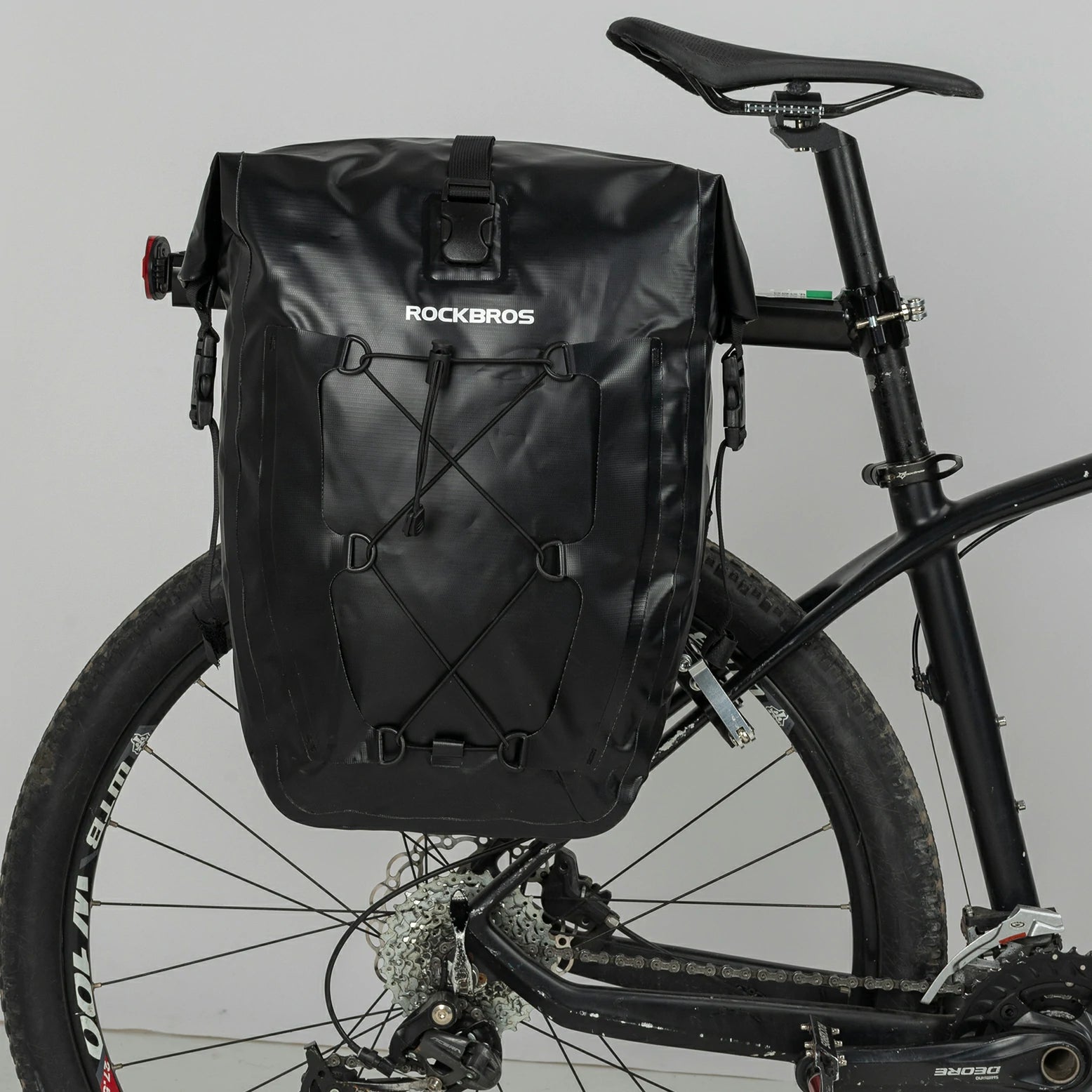
A pannier, rear rack bag or secure bike-mounted bag can move some of that weight from the rider's shoulders onto the bike. Choose a bag that suits the amount being carried and can be removed easily when the bike is parked.
Do not leave valuable items inside a bag when the bike is unattended.
A Compact Bike Pump
A compact pump is useful for small pressure adjustments and unexpected soft tyres.
Students do not need to carry a large repair workshop. A small pump and a basic understanding of how to use it are often enough for everyday preparation.
What Parents Should Prepare for the School Run
Cycling to school is not only about the student's equipment. The route and daily routine also need planning.
Practise the Route in Advance
Ride the route together before the new term begins.
Look for cycle lanes, quieter roads, difficult junctions, narrow sections and suitable places to stop. Practising at a quieter time allows the student to become familiar with the journey without the pressure of arriving before registration.
Check the School's Cycle Parking
Find out where bicycles should be left and whether there is a covered or supervised area.
Check that the student knows how to secure the bike correctly and where to keep removable accessories such as lights.
Make a Simple Backup Plan
Agree on what the student should do if the weather becomes severe, the bike develops a problem or they do not feel confident completing the journey.
A clear backup plan reduces stress and avoids rushed decisions in the morning.
Lead by Example
When parents cycle alongside children or teenagers, consistent road behaviour matters.
Use lights when needed, follow the planned route, avoid distractions and demonstrate how to approach junctions calmly. A predictable routine can help younger riders build confidence over time.

Everyday Commuting Gear for the Whole Family
Many back-to-school accessories are also useful for parents and adults returning to regular work routines.
Mudguards for Wet Roads
Autumn roads can remain wet even when it is not raining.
Mudguards help reduce spray from the tyres, making school uniforms, work clothes and bags easier to keep clean during daily journeys.
Waterproof Storage
A weather-resistant bag provides useful protection for books, work documents, spare clothes and electronic devices.
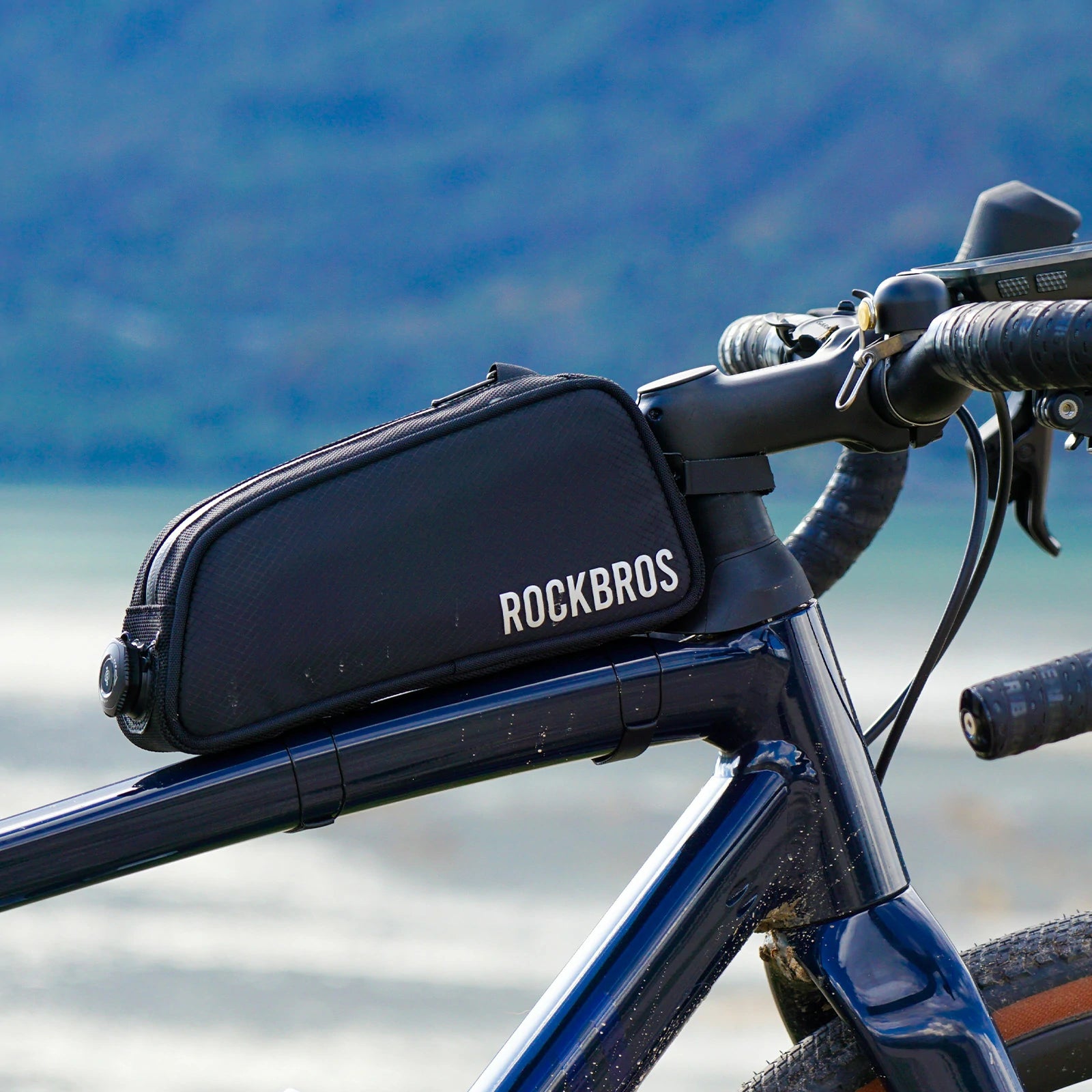
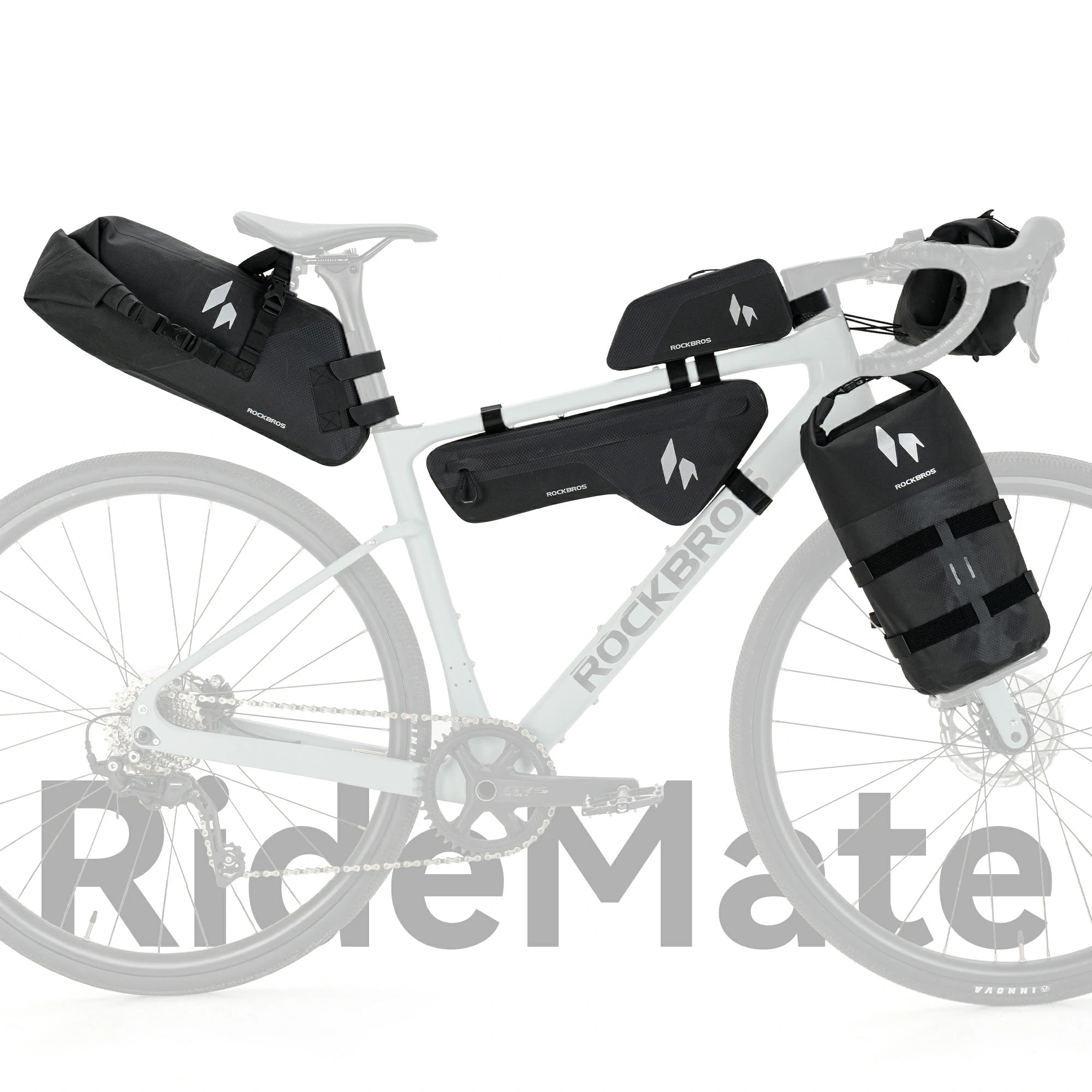
For longer commutes or heavier loads, panniers can provide more capacity. For shorter journeys, a handlebar bag, frame bag or compact rear bag may be enough.
A Phone Holder for Adult Navigation
A secure phone holder can help adult commuters follow a planned route.
Set the journey before moving and avoid interacting with the phone while cycling. Students should only use a phone holder where it is appropriate for their age, experience and route.
A Small Repair Kit
A compact multi-tool, tyre levers, patches and a pump can help with minor problems.
The purpose is not to carry every possible tool. It is to deal with simple issues or make the bike safe enough to continue after a small adjustment.

How to Prepare for Darker and Wetter Days
The first weeks of term can still feel bright and mild, but conditions change quickly through autumn.
Charge Lights Regularly
Choose one day each week to check and charge all family bike lights.
A regular charging routine is easier to remember than waiting until a light stops working during a journey.
Keep Reflective Details Visible
Reflective clothing, bags and accessories should not be covered by loose coats or other luggage.
Check the bike from the front, side and rear to see whether the rider remains easy to notice.
Carry a Lightweight Waterproof Layer
A packable jacket can be useful when the weather changes during the school or working day.
Store it somewhere easy to reach rather than underneath books and heavier items.
Dry Equipment After Wet Journeys
Do not leave wet gloves, jackets or bags closed overnight.
Allowing equipment to dry properly can reduce odours and help it remain comfortable for the next morning.
Final Thoughts: Build a Simple and Reliable Routine
A successful school commute does not need complicated equipment.
Start with a comfortable, well-maintained bike. Add reliable lights, an appropriate lock and a practical way to carry everyday items. Then practise the route and build a routine that works for the whole family.
The best cycling setup is not necessarily the one with the most accessories. It is the one that students and parents can use confidently, consistently and correctly throughout the term.
Frequently Asked Questions
What does a secondary school student need for cycling to school?
Start with a roadworthy bike, a correctly fitted helmet, front and rear lights, a reliable lock and a practical way to carry school items. A compact pump can also be useful.
How often should a school bike be checked?
Complete a more detailed check before the start of term, then inspect the tyres, brakes, lights and chain regularly. Problems should be addressed as soon as they appear.
Is a helmet enough to keep a student visible?
No. A helmet supports protection, but visibility also depends on working bike lights, reflective details, suitable clothing and responsible riding.
What type of bag is best for school cycling?
It depends on the amount being carried. A pannier or rear rack bag is useful for books and heavier items, while a smaller frame or handlebar bag may suit shorter journeys and lighter loads.
Should students use a bike phone holder?
Younger or less experienced riders may be better without one. Where a phone is used for navigation, the route should be set before riding and the phone should not be operated while the bike is moving.
Do families need to buy everything before the first day?
No. Begin with the items that affect the bike's condition, visibility and security. Other accessories can be added after the family understands what is genuinely useful for the regular route.