
In This Article
- Why Visibility Matters More Than Speed
- How Helmet Lights Improve Safety
- Helmet Lights vs Traditional Bike Lights
- When a Light-Up Helmet Makes the Biggest Difference
- What Helmet Lights Don’t Replace
- Final Thoughts: Are They Worth It?
- Frequently Asked Questions
Night riding offers a unique kind of freedom—quieter roads, cooler air, and fewer distractions. But it also comes with one major risk: reduced visibility.
For most cyclists, safety at night isn’t just about how well you can see—it’s about how clearly others can see you.
So, are bike helmets with lights actually safer? Let’s take a closer look.
Looking for a safer way to ride at night?
Explore our bike helmets with built-in lights designed for visibility and comfort.

Why Visibility Matters More Than Speed
Many riders assume speed is the biggest danger. In reality, one of the most common risks—especially in cities—is simply not being seen in time.
Low-light conditions, weather, and visual distractions can make cyclists blend into the background. Drivers may only notice you at the last second—when it’s already too late.
That’s why visibility is one of the most important factors in cycling safety.
How Helmet Lights Improve Safety
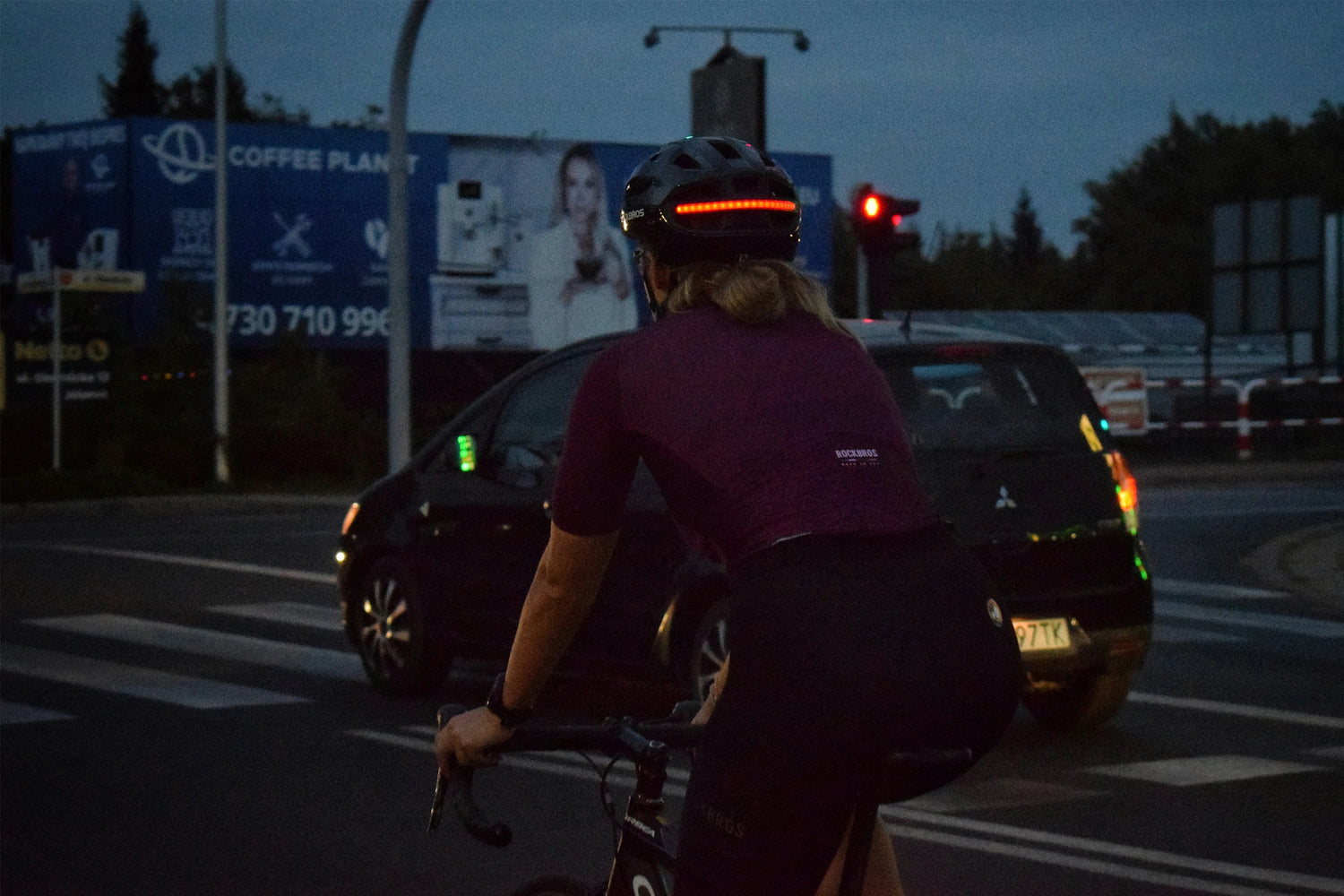
Bike helmets with built-in lights don’t just add brightness—they improve how and where you are seen.
Higher Position = Better Visibility
Unlike traditional bike lights mounted lower on the bike, helmet lights sit at eye level, making them more noticeable to drivers.
Movement Increases Awareness
Because the light moves with your head, it naturally follows your line of sight—making your presence more dynamic in traffic.
360° Visibility
Many designs include both front and rear lights, helping you stay visible from multiple angles.
It’s not just about being brighter—it’s about being seen earlier.
Looking for a smarter visibility upgrade?
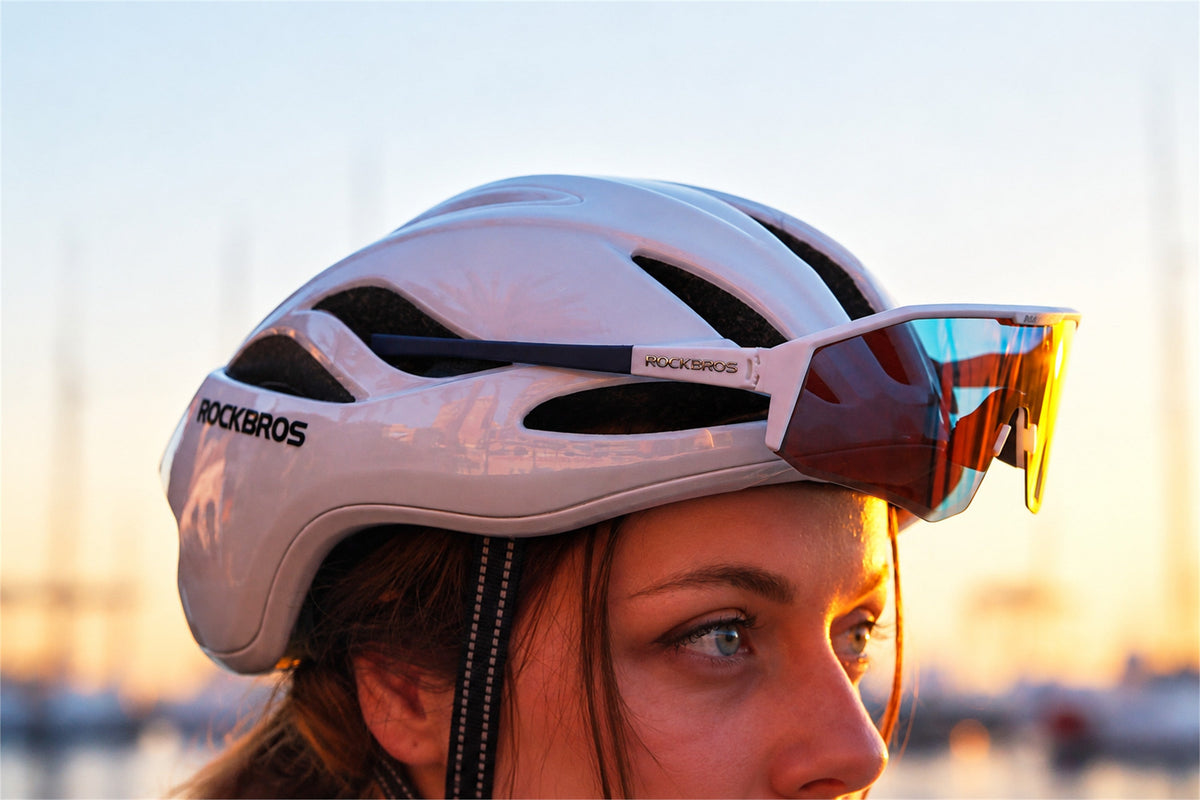
The ROCKBROS Smart Bike Helmet with Remote-Controlled Rear Light is designed to keep you visible from a distance, with easy control while riding—ideal for urban commuting and night cycling.
Helmet Lights vs Traditional Bike Lights
Can a helmet light replace your regular bike lights?
Short answer: No—but they work better together.
Bike Lights
- Illuminate the road ahead
- Show your position from the bike
Helmet Lights
- Highlight you as a rider
- Improve visibility at eye level
- Move with your line of sight
Using both creates a layered visibility system, which is ideal for night riding.
When a Light-Up Helmet Makes the Biggest Difference
Helmet lights are especially useful in the following situations:
Urban Commuting
Busy roads and intersections make visibility more critical.
Night Riding
Low-light environments require earlier detection.
Bad Weather
Rain and fog reduce clarity and increase visual noise.
Early Morning & Evening
Even partial darkness can reduce how visible you are.
What Helmet Lights Don’t Replace
While helpful, helmet lights are not a complete safety solution.
For better protection, you should still use:
- Front and rear bike lights
- Reflective gear
- Safe riding habits
Cycling safety is always about combining multiple layers, not relying on a single product.
Final Thoughts: Are They Worth It?
So, are bike helmets with lights safer?
Yes—in most cases, they are.
They help you:
- Get noticed earlier
- Stand out in complex environments
- Ride with more confidence
When combined with proper lighting and safe riding habits, they can significantly improve your visibility and overall safety.
Frequently Asked Questions
Is a helmet with a light actually safer than a regular helmet?
Yes. It helps you get seen earlier and more clearly, especially since the light sits at eye level.
Do I still need bike lights if I have a helmet light?
Yes. Helmet lights work best as an additional layer, not a replacement. Using both provides better visibility.
Can I adjust the light while riding?
Yes. Most helmets are designed with easy-to-reach controls, allowing you to switch modes without stopping.
How long does the battery last?
Battery life depends on the mode used, but typically lasts several hours per charge.
Is the helmet waterproof?
Most helmets are designed to handle light rain and normal outdoor conditions.